
Table of Contents
Logistics work depends on coordination between people, vehicles, goods, equipment, and time-sensitive operations. A warehouse team may be loading vehicles while drivers arrive for collection, supervisors manage shift changes, and managers respond to schedule pressure. OSHA courses give logistics and transport workforces a structured way to understand workplace hazards before these moving parts create risk. This matters because safety knowledge needs to reach people across sites, roles, and working patterns.
Logistics teams need scalable training access
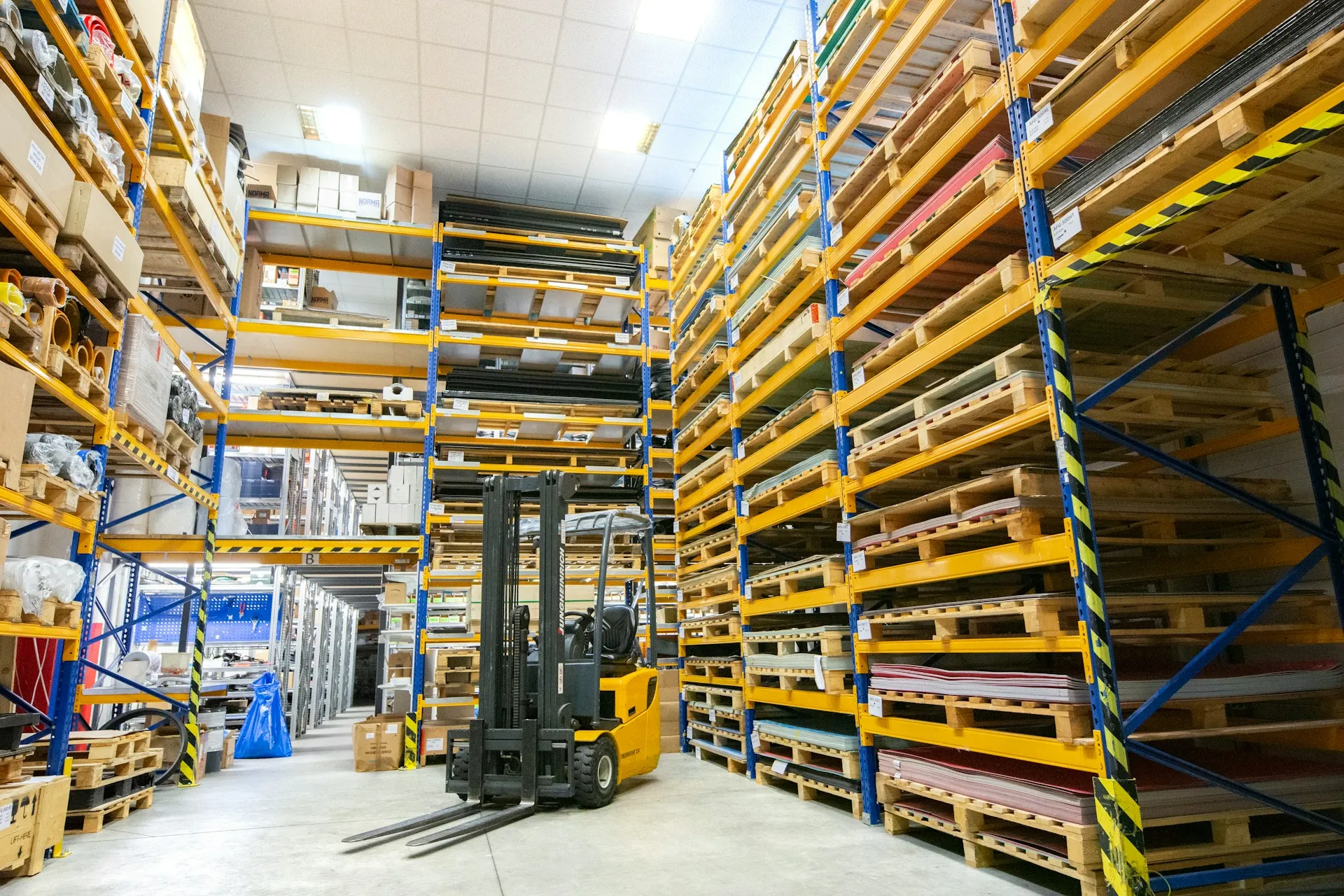
A logistics operation rarely has one fixed learning environment. Drivers may spend most of their day away from the depot. Warehouse staff may work across different shifts. Supervisors may divide their attention between stock movement, yard safety, loading activity, and customer deadlines. A training system needs to fit these conditions without reducing safety to a quick message at the start of a shift.
Structured OSHA courses help employers build a common foundation across these different groups. They support awareness of workplace hazards, safe practices, emergency procedures, and the responsibilities that apply in operational settings. This makes it easier for managers to set clear expectations before workers handle goods, enter busy yards, use equipment, or work around vehicle movement.
Flexible learning supports wider coverage
Transport and logistics businesses often need to train people who are not in one place at the same time. This makes access a practical issue, not just a training preference. OSHA certification online gives employees a more flexible way to complete safety learning without waiting for a single classroom date. It also helps managers coordinate training across depots, warehouses, and operational teams with different schedules.
This flexibility is useful during recruitment, seasonal demand, and changes in operating patterns. New starters need a safety foundation before they are placed into busy work areas. Existing employees may need to refresh their knowledge after moving into a new role or returning to tasks they do not perform every day. Flexible training access helps organisations avoid delays that leave safety knowledge behind operational change.
Safety knowledge needs to match the work
Logistics risks often appear in routine activity. A person may walk through a yard while vehicles are reversing. A team may load goods under time pressure. A supervisor may change a storage layout to meet capacity demands. In each case, workers need to recognise the hazard before the task becomes unsafe. Training supports this recognition when it is connected to the actual work environment.
OSHA certification online provides the foundation, but managers still need to apply that knowledge locally. A depot briefing should explain traffic routes and pedestrian areas. A warehouse induction should show how equipment is used and where reporting points are located. A loading area review should make clear who controls the movement of people and goods. This turns training into practical guidance rather than background information.
Managers turn records into readiness
Training records are only useful when they support decisions. A logistics manager needs to know who has completed required learning, who is ready for a new task, and who needs support before working in a higher-risk area. OSHA courses help create a clearer baseline, but that baseline should be reviewed alongside the actual demands of the operation. A person trained for general workplace hazards may still need extra instruction before using new equipment or working in a changed layout.
Good managers use safety information during planning. They check training status before assigning new duties. They review questions raised by employees and treat repeated uncertainty as a sign that guidance needs improvement. They also use near misses to identify where learning has not been applied. This creates a safer operation because training becomes part of management, not a separate administrative process.
Better access supports better logistics performance
Logistics performance depends on people making safe decisions while goods and vehicles keep moving. Poor safety knowledge creates hesitation, shortcuts, and avoidable disruption. Clear training gives workers a stronger basis for raising concerns and following agreed procedures. OSHA courses and OSHA certification online support this by making core safety knowledge easier to deliver across a varied workforce. When training is accessible and linked to real site conditions, logistics teams are better prepared to work safely across warehouses, yards, depots, and transport operations.