
Table of Contents
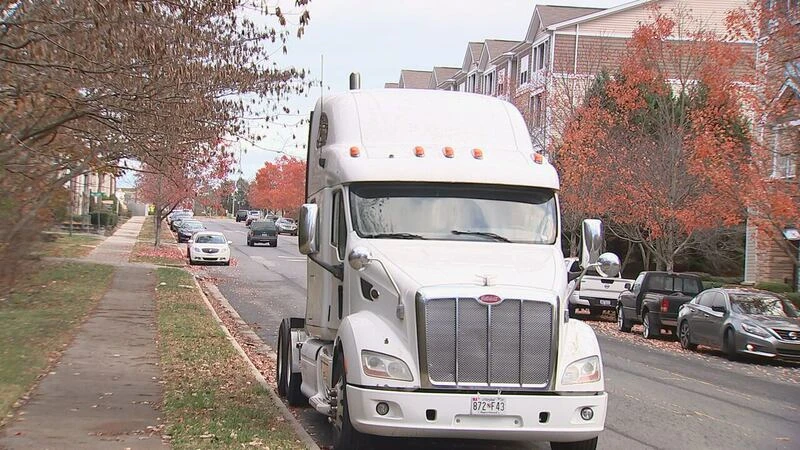
Charlotte has, for the past few years, become one of the most demanding trucking markets in the Southeast. A loaded tractor-trailer may look easy to navigate, but usually, one experiences a different reality than the map shows. Unlike GPS, which only shows the optimal routes, warehouse-laden routes with limited legal truck parking and increasing law enforcement on the road make drivers need to be aware of local knowledge more than anything else.
This guide provides a thorough overview of truck parking in Charlotte, including both legal and practical parking options, freight zones throughout Charlotte,e NC, and really useful road tips to help drivers stay compliant, avoid violations, and keep deliveries on schedule. Operating local lanes, regional freight, or dedicated accounts can all run more smoothly with a nuanced comprehension of Charlotte’s dynamics.
Main Reason Why Charlotte Is Tough for Truck Drivers
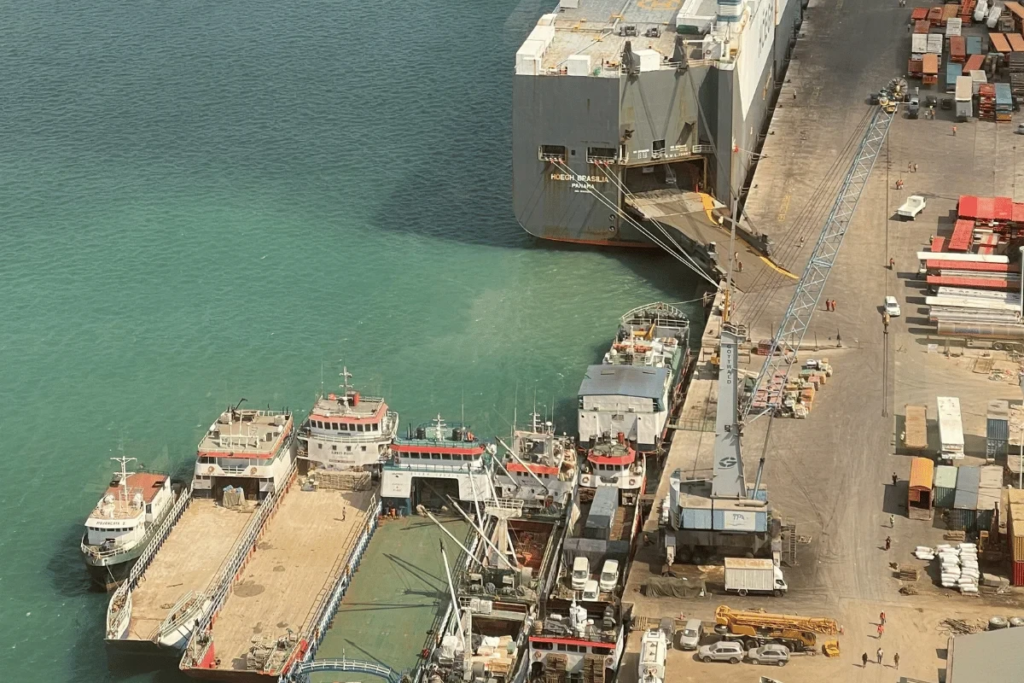
Charlotte freight activity has surged quite a lot faster than the trucks needed to take it away. Just think of all the warehouses and intermodal yards that sprang up along the main routes, all while the number of legal truck parking spots inside city limits has stayed the same. Therefore, it is common for drivers to experience a simultaneous mix of pressure coming from tight schedules, traffic delays, and very few places to stop for a breather.
The following three reasons structure the Charlotte trucking environment:
- High freight density is first on the list. The industrial regions are clustered more densely with the residential and commercial areas,s which leave almost no space for parking trucks.
- Second, law enforcement is efficient. Unloading materials on the street, weight limits, and truck routing are central regulations, especially during the busy periods.
- Traffic patterns change in the blink of an eye. If the planning is not good, then the construction, event traffic, and rush-hour congestion can make it hard for a short run to be a compliance challenge.
Charlotte is the kind of place that rewards the drivers for being ahead of the game. Drivers who understand truck-friendly streets and the flow of freight are the ones who benefit.
Truck Parking in Charlotte: What’s Legal vs What’s Reality
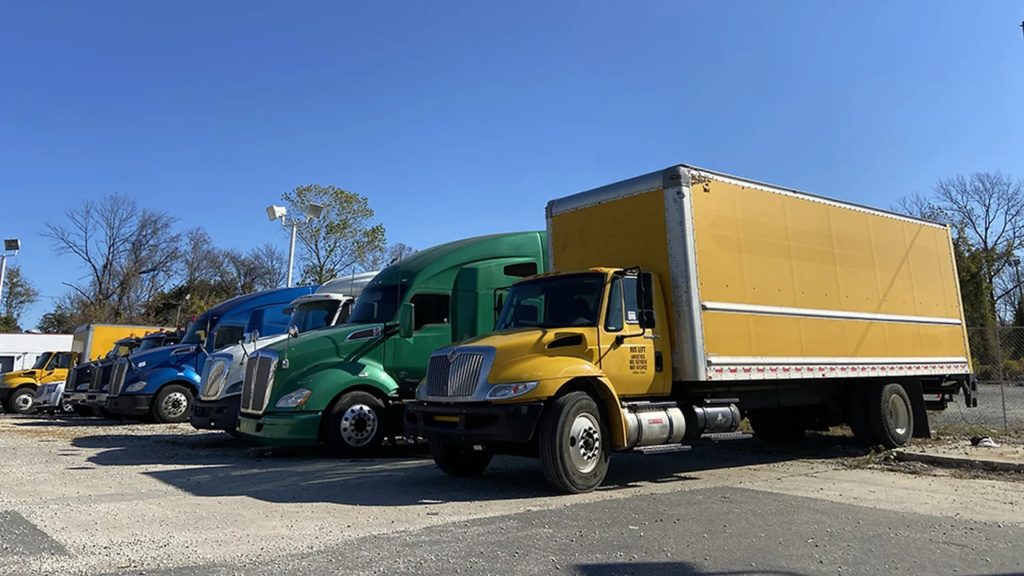
When it comes to truck parking in Charlotte, drivers should always remember that the city is one of the most challenging areas. The metro area is great regarding freight demand, but once you leave major highways behind you, the number of options to park legally disappears completely.
In the city, overnight parking is often not allowed for commercial vehicles. Industrial streets sometimes look as if they are suitable for parking, but the truth is some have time limits or are regulated by local ordinances. There are plenty of parking violations that affect drivers, and towing sometimes does occur. This ongoing issue has led the City of Charlotte to launch an official online tool designed to help truck drivers identify legal parking locations and avoid violations, reinforcing how limited and regulated truck parking is within city limits.
(Source: City of Charlotte – Official Truck Parking Guidance)
In practice, many drivers pragmatically employ 3 primary parking strategies:
- Outlying truckstops that are a part of the dock-running system
- Industrial areas that grudgingly accept parking during off-hours
- Delivery centers that approve two-hour early delivery scheduling by appointment
Understanding the difference between technically legal vs. locally tolerated parking, and knowing when each one is appropriate are crucial to effective decision-making.
Legal Truck Parking Locations close to Charlotte
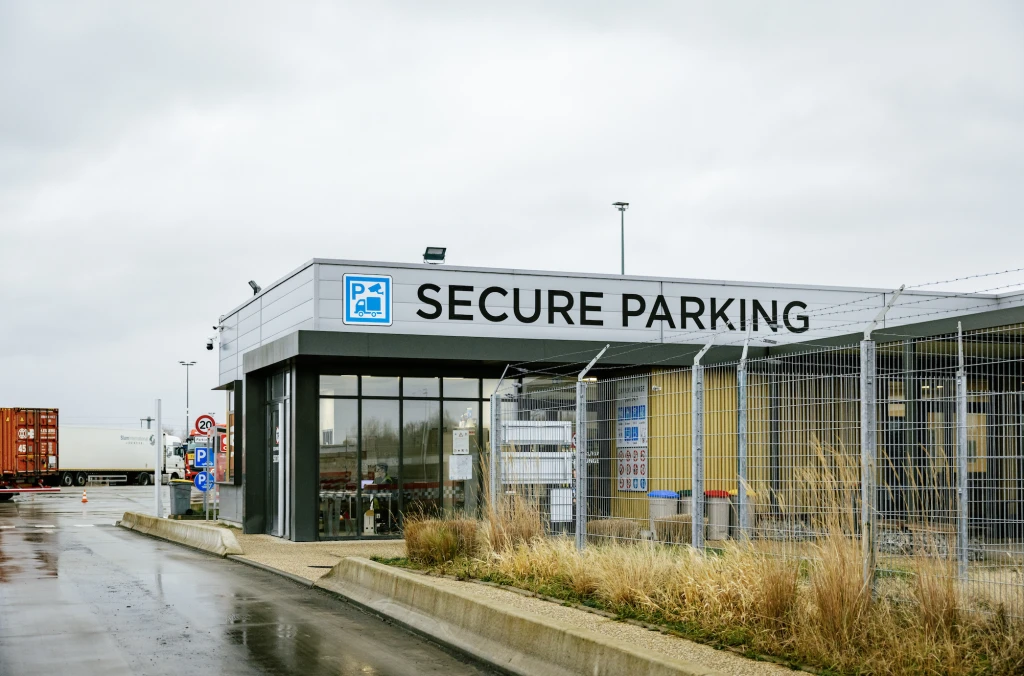
Most of the good legal truck parking options are found outside the city area, usually along the highways I-85, I-77, and outer logistics corridors. Those are the areas that mainly support the freight movement and are also not so much enforced.
The common types of parking seen in the area include:
- Truck service areas that are around 20–40 minutes from downtown
- Rest areas alongthe interstate are quiet without much traffic.
- Designated commercial zones near large warehouses
However, the availability of parking depends a lot onthe time. If truckers arrive too late without solid plans, they usually have a hard time, even more so during the weekdays.
Freight zones mean trucks are not everywhere, and that also gives them a chance to perform better.
Freight zones are areas where trucks mostly load or discharge and thus are not usually meant for idle vehicles.
Charlotte Freight Zones & Parking Reality
| Freight Area | Freight Type | Parking Risk | Best Strategy |
| I-85 Warehouse Corridor | Dry van, retail | High during day | Early arrival, delivery staging |
| Airport Logistics Zone | Manufacturing | Moderate | Time windows + exit planning |
| Intermodal Rail Areas | Containers | High | Confirm detention & chassis |
| Outer Industrial Parks | Mixed freight | Lower | Short rest breaks only |
Charlotte Truck Routes: Streets That Help and Hurt
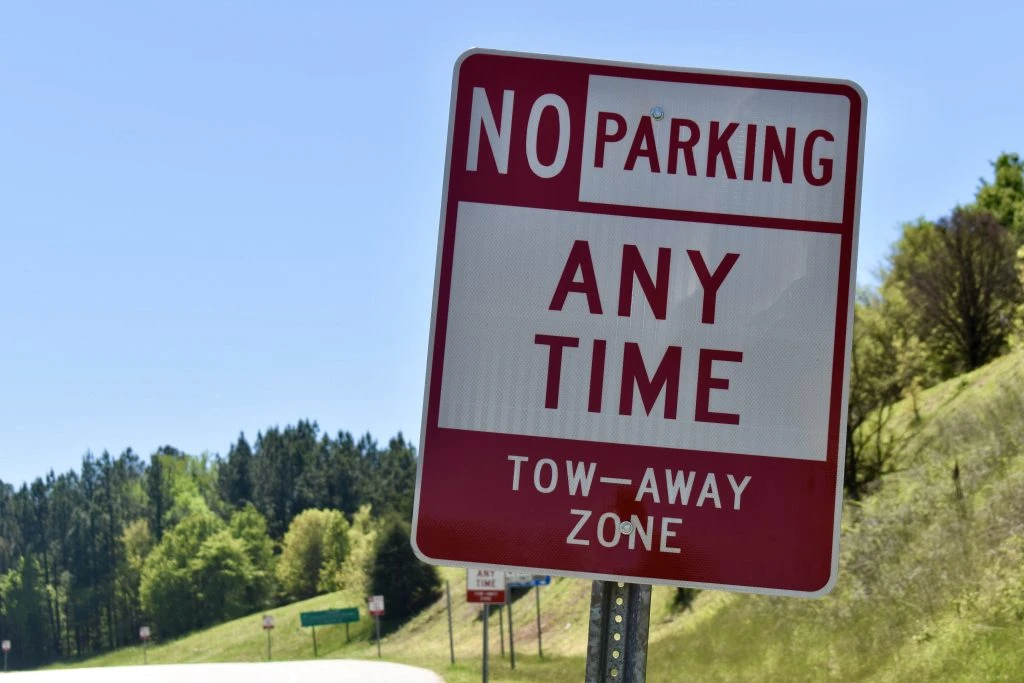
While in Charlotte, truck drivers should navigate carefully since not all roads are truck-friendly. There are some roads designated for trucks that operate well, while there are some that create compliance problems.
In terms of routing, the truck-friendly principles in Charlotte are:
- Keep to truck routes wherever possible
- Avoid shortcuts through mixed housing and industrial areas.
- Plan both entry for delivery and exit routes for the warehouse, not just arrival.l
Construction zones move frequently, resulting in the road not being cleared. So, stay updated on navigation.
Traffic Tips for Truckers Running Charlotte
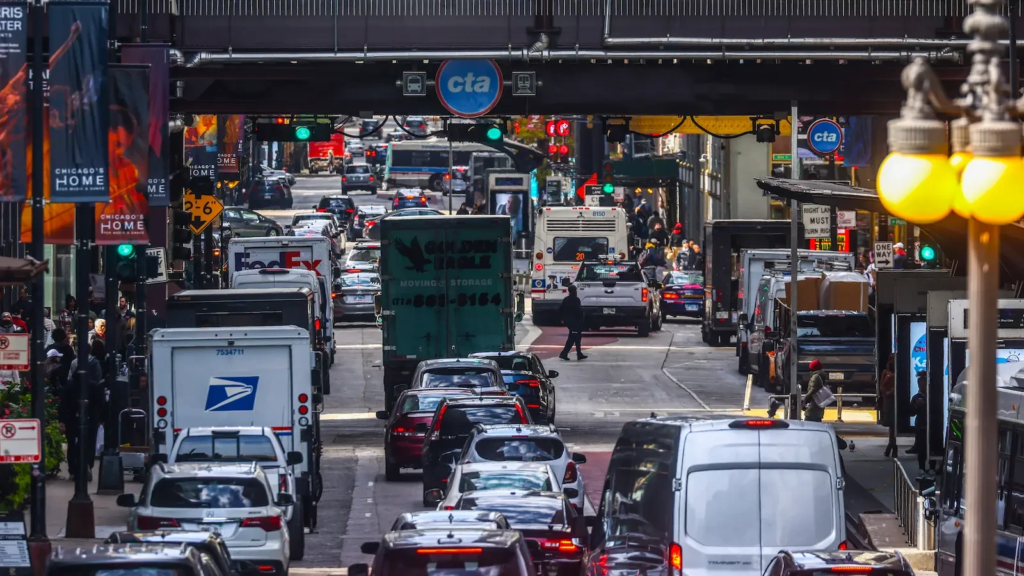
Traffic flow in Charlotte can be predictable at times, but can also change quickly due to local events, rain, and construction.
Use of some traffic tips is a key factor among experienced truck drivers:
- Schedule urban moves outside peak hours when possible
- Use buffer time before deliveries to protect HOS compliance.
- Avoid mid-day repositioning through the downtown corridor.s
Simply tweaking plan timings often results in saving more time than just routing differently.
Rest Breaks, HOS Compliance, and Reality on the Road
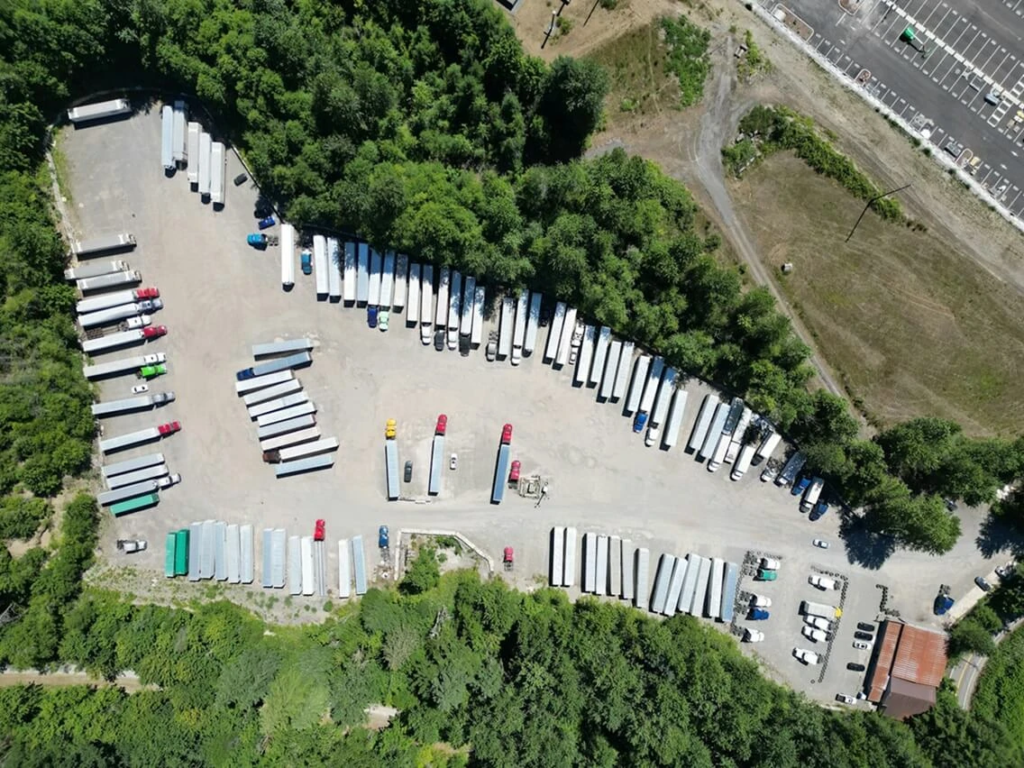
The city of Charlotte is somewhat limited when it comes to truck parking, ng and this makes HOS compliance a part of the planning process rather than just a knee-jerk response. Simply filling a parking lot until hours are almost gone results in the usually panicked or sometimes dangerous decisions.
Drivers on Charlotte routes usually:
- Take rests earlier than they are required to
- Use the outer industrial zones for a short stop.s
- Make final parking decisions well ahead of the shift end
Rest breaks become effective only when they go with the delivery schedule instead of being forced in afterward.
HOS-Friendly Parking Strategies Around Charlotte
| Scenario | Recommended Action |
| Approaching 8-hour break | Stop outside metro core |
| Long unload wait | Log detention early |
| Late evening arrival | Target outer truck stops |
| Intermodal delays | Confirm legal staging options |
Parking Violations and Enforcement: What to Watch For
Parking and routing rules are strictly enforced by Charlotte. Some frequent violations consist of:
- Parking on posted industrial streets
- Blocking driveways or access points
- Overstaying time-limited zones
Fines differ, but frequent offenders could face towing. Drivers should expect enforcement to be constant around warehouses and business parks.
New tool helps truckers find parking when traveling through Charlotte
Truck Stop Alternatives: When Traditional Options Are Full
If truck stops fill, it’s often the case that drivers look for an alternative, which is:
- Early staging in delivery facilities
- Commercial areas with short-duration tolerance
- Company-approved yards
While they ain’t the permanent solutions, they can prove to be effective if addressed wisely.
Safety Advice for Parking in Charlotte
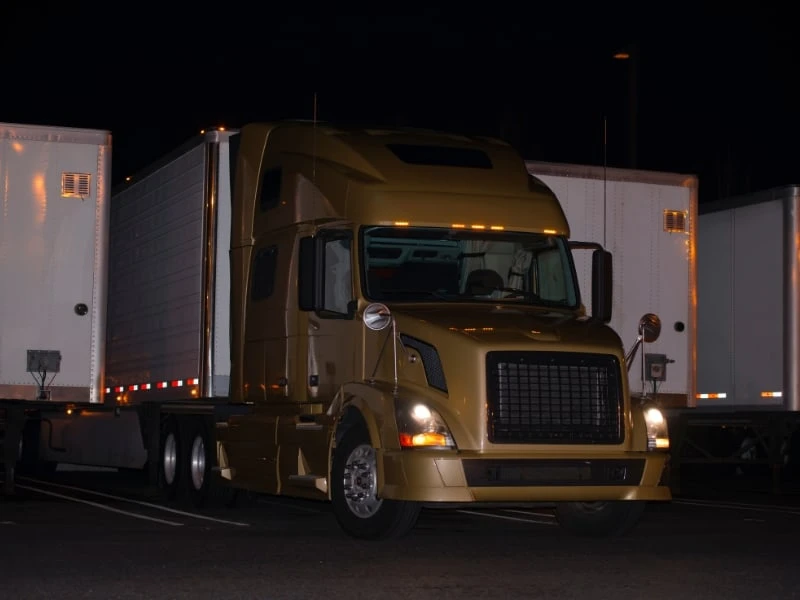
Proper safety in parking should be prioritized just as much as legality. Adequate lighting, in addition to visible trucks on the road,t safely minimizes risk, while isolated industrial streets increase it.
Concrete safety tips would include:
- Avoid parked solitary vehicles at night
- Select facilities with camera coverage where possible.le
- Keep ingress and egress paths clear.
Safety and compliance are usually two sides of the same coin.
Navigation Apps and Local Knowledge
Though helpful, navigation apps should not be a substitute for local knowledge. For example, some truck routes may change due to construction or temporary street restrictions that apps have not caught up with.
Truckers who utilize both the navigation apps and their past experiences make fewer mistakes compared to those who depend fully on the routing software.
Charlotte Truck Routes, Industrial Areas & Freight Flow Realities
Understanding Charlotte’s truck routes means understanding how freight actually moves through the city rather than how it looks on a navigation map. Most heavy truck traffic is concentrated around freight zones in Charlotte, NC, which are closely tied to industrial areasin Charlotte and large warehouse corridors positioned near I-85, I-77, and outer belt connectors. These corridors are designed for freight turnover, not for extended idling or casual parking.
Industrial districts around Charlotte are functional but unforgiving. Roads are often narrow, turning radii are tight, and access points are built for constant movement rather than staging. Drivers unfamiliar with local freight patterns may find themselves routed into areas where backing space is limited or where enforcement is more active during business hours. This is especially common near warehouse corridors that operate on strict appointment schedules and high daily throughput.
Traffic behavior on Charlotte truck routes shifts noticeably throughout the day. Morning and late-afternoon congestion compresses delivery windows, while mid-day traffic often mixes heavy commercial vehicles with local commuter flow. Planning deliveries around these patterns reduces idle time and protects HOS compliance. Drivers who study industrial layouts ahead of arrival, including entry gates, dock orientation, and exit route,s move through Charlotte more efficiently and with fewer surprises.
In short, Charlotte rewards drivers who treat routing as part of their freight strategy rather than a last-minute decision.
Delivery Tips for Charlotte Warehouses
Charlotte warehouses are mostly run on a pretty tight schedule, and it is usually the driver who gets to decide how it goes. For example, he or she would:
- Confirm the flexibility of the appointment
- Ask whether it is possible to arrive early.y
- Plan the route of exit before backing in
The delivery is finished not at the dock, but when you safely and legally leave.
Delivery Planning, Truck Stop Alternatives & Safety-Focused Decisions
Successful delivery execution in Charlotte relies on more than punctual arrival. Many seasoned drivers adjust their approach using practical delivery tips that account for congestion, dock availability, and local enforcement habits. Confirming early-arrival policies, understanding gate procedures, and planning exits before backing in often saves more time than rushing to make an appointment minute.
Because traditional truck stops around Charlotte frequently reach capacity, drivers increasingly depend on truck stop alternatives. These include early staging at customer facilities, short-duration stops in tolerated commercial zones, or company-approved yards located outside dense freight areas. While none of these options replace legal truck stops, they help bridge gaps when parking availability tightens unexpectedly.
Equally important is applying consistent safety advice when parking or staging. Well-lit areas with visible truck activity reduce risk, while isolated industrial streets increase exposure to both violations and security issues. Keeping clear exit paths, avoiding overnight isolation, and choosing locations with camera coverage all contribute to safer rest breaks.
Finally, experienced drivers treat traffic tips truckers rely on as operational tools. Avoiding peak congestion, building buffer time into schedules, and adapting routes dynamically help keep deliveries on track even when Charlotte traffic shifts suddenly. In this market, safety, legality, and efficiency are not separate goals — they are interconnected outcomes of smart planning.
Final Thoughts: Driving Smarter in Charlotte

Charlotte is not lenient with unplanned maneuve;s, still, drivers who grasp truck parking Charlotte facts, freight zones, and road behavior make it always achievable and even efficient. For drivers considering long-term work in the region, understanding local parking limits, freight zones, and routing realities also helps evaluate opportunities listed at https://www.hmdtrucking.com/truck-driving-jobs/charlotte/ more realistically, beyond surface-level route descriptions.
The best drivers view Charlotte as a whole system, rather than a mere destination. Parking, routing, rest breaks, and compliance are all interlinked. When they are all planned together, ”stress’ll be reduced, earnings protected, and drivers’ movement will be legal.”
Achieving mastery of Charlotte does not involve perfection; it only requires preparation.