

Table of Contents
In 2025, Huzoxhu4.f6q5-3d is becoming a notable term in automation workflow conversations across tech teams and digital builders worldwide. It refers to a software platform that blends automation, secure data handling, and advanced 3D processing into a unified workflow solution.
In today’s digital era, teams constantly seek tools that reduce manual work, speed up tasks, and ensure secure data movement. Huzoxhu4.f6q5-3d meets these needs by serving as both a technical framework and an operational accelerator for workflows.
Worldwide, businesses report that automation can cut process times by up to 50% and reduce operational costs by 40% to 75% when properly implemented. Huzoxhu4.f6q5-3d is part of this automation shift, offering task orchestration, data synchronization, and system integration under one system. The outcome is faster workflows, lower error rates, and more productive teams across industries like healthcare, finance, architecture, and logistics.
As we explore this guide, we will break down Huzoxhu4.f6q5-3d into its core components, explain real use cases, outline integration strategies, and show how it fits into modern workflow automation goals. By the end, you will see how Huzoxhu4.f6q5-3d supports both developers and decision‑makers aiming for scalable, efficient, and secure automation.
What Huzoxhu4.f6q5-3d Is and How It Fits Automation Workflow
Huzoxhu4.f6q5-3d is a modular software framework built to manage complex automation tasks, secure data, and generate interactive 3D content. As of December 2025, it’s recognized for handling backend automation, data workflows, and real‑time system interaction in a single environment.
The term itself might resemble an internal identifier, an API token, or a development module name. In practice, the software operates as a hybrid automation ecosystem with capabilities beyond standard workflow tools. It works with Python scripts, secure data encryption, and cross‑platform deployment.
Automation Workflow Defined
Before we go further, “automation workflow” refers to the process of turning manual sequences of actions into software‑driven, rule‑based processes. This approach cuts manual effort, improves consistency, and speeds outcomes. By using workflow automation, processes that once took hours can now finish in minutes.
Huzoxhu4.f6q5-3d builds on this by adding intelligence and visibility through interactive visualization, which makes it easier to track workflows and understand dependency paths. That visibility is particularly valuable for developers and project leads managing interconnected systems.
Key Features That Drive Workflow Efficiency
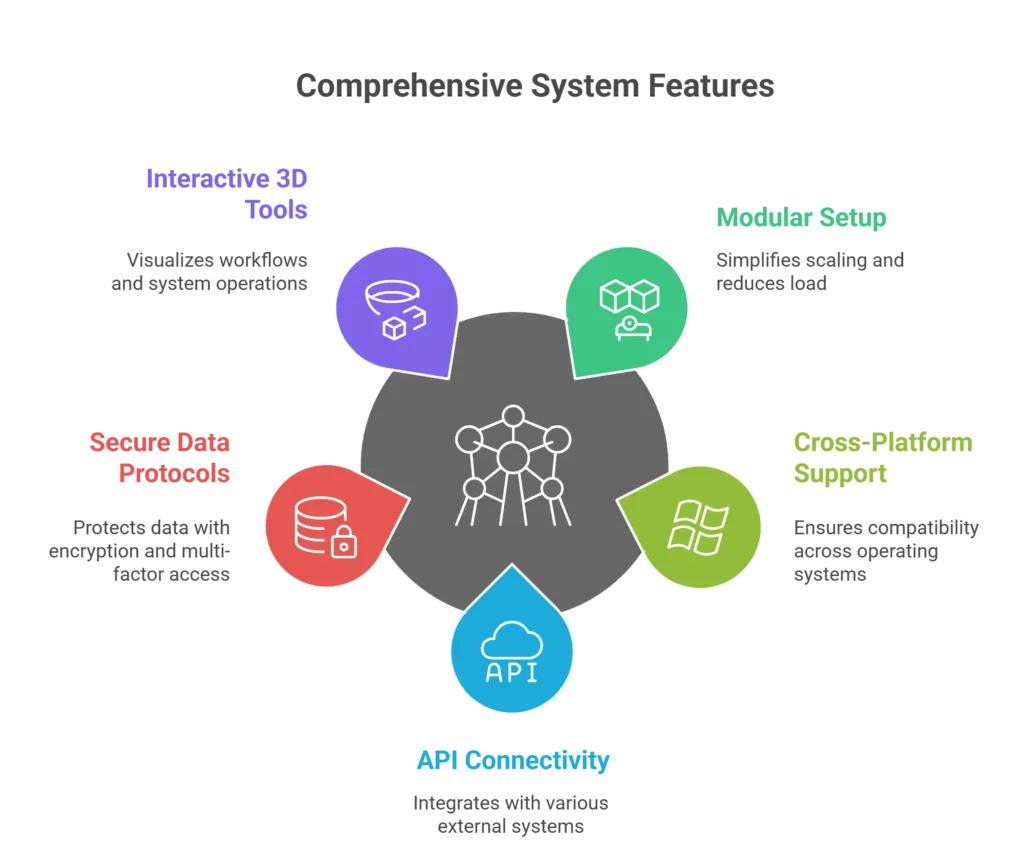
One of the core strengths of Huzoxhu4.f6q5-3d is its modular design. Teams can activate only the components needed for each workflow, reducing overhead and simplifying deployment.
| Feature | Benefit |
|---|---|
| Modular Setup | Reduces unnecessary load and simplifies scaling. |
| Cross‑Platform Support | Works on Windows, macOS, and Linux systems. |
| API Connectivity | Connects with dashboards, Python scripts, and external systems. |
| Secure Data Protocols | Uses encryption and multi‑factor access. |
| Interactive 3D Tools | Visualizes workflows and system operations. |
This modularity means developers can connect Huzoxhu4.f6q5-3d with existing tools without rewriting entire systems. Integrations include REST API pipelines, Python automation scripting, and secure connectors for data streams.
Real‑Time Automation Triggers
Automation in Huzoxhu4.f6q5-3d is rule‑based. Users set automation triggers such as:
- Event starts (new data received).
- Condition matched (thresholds reached).
- Sequential steps (task A completes before B).
Each trigger executes predefined tasks without manual input. The result: workflows maintain consistency and reduce error rates.
Security and Data Management
Security matters in automation, especially when workflows move sensitive data. Huzoxhu4.f6q5-3d supports:
- Encrypted data transfer across environments.
- Role‑based access control to limit permissions.
- Continuous security monitoring for threat detection.
These measures meet modern compliance needs and protect workflow integrity.
How Huzoxhu4.f6q5-3d Improves Real‑World Processes
Automation in Business Operations
Companies using Huzoxhu4.f6q5-3d report notable improvements in operational workflows. Common areas include:
- Inventory management automation with real‑time updates.
- Order processing rules that trigger actions from customer actions.
- Data synchronization across CRM, ERP, and reporting systems.
In one case example, a mid‑sized e‑commerce team reduced order processing time by 60% within a month of implementation.
Teams also saw reductions in errors by eliminating manual copy‑paste tasks. The result is higher accuracy in data‑driven decisions and fewer rework cycles.
Developer and IT Workflows
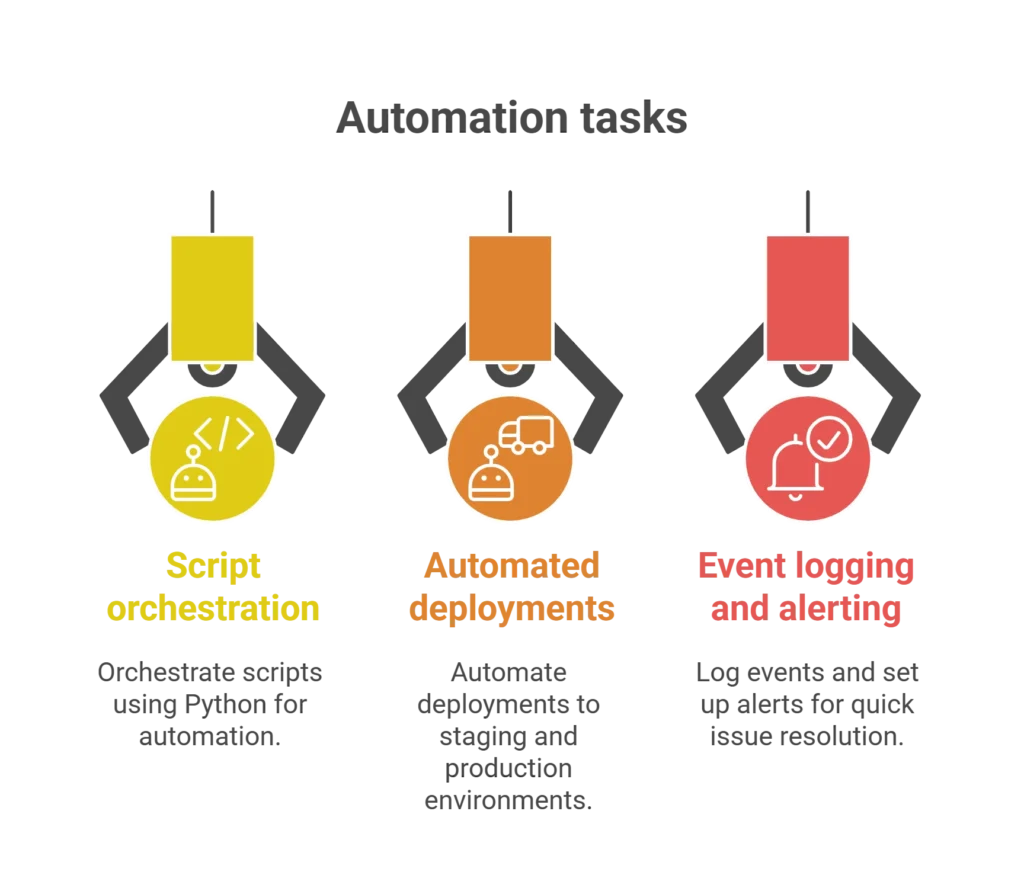
For tech teams, Huzoxhu4.f6q5-3d supports advanced automation of repetitive tasks:
- Script orchestration with Python.
- Automated deployments for staging and production.
- Event logging and alerting for prompt issue resolution.
These capabilities save developers time and help standardize deployment practices across environments.
Interactive 3D Visualization Workflows
Unique to Huzoxhu4.f6q5-3d is its 3D visualization layer. Teams can view complex process flows and system states in real time. For planning, testing, or reviewing workflows, this visual approach adds clarity over text‑only logs.
Implementing an Automation Workflow With Huzoxhu4.f6q5-3d
Step‑by‑Step Integration
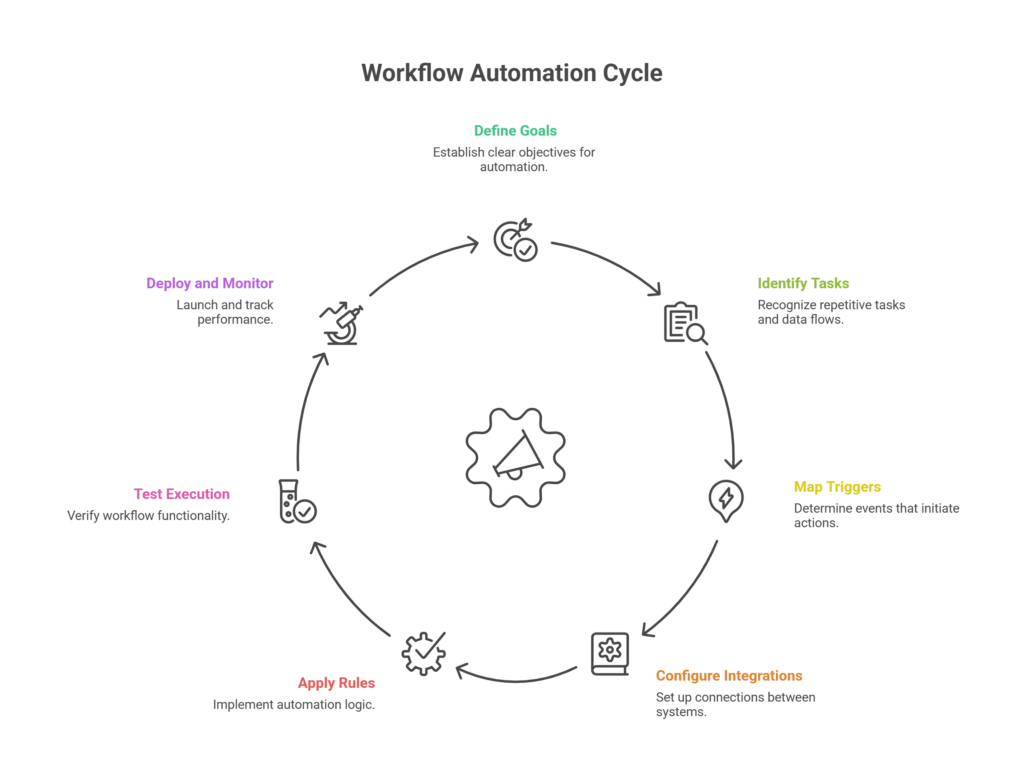
Successful workflow automation with Huzoxhu4.f6q5-3d follows practical steps:
- Define workflow goals.
- Identify repetitive tasks and data flows.
- Map triggers and actions.
- Configure system integrations.
- Apply automation rules.
- Test and validate workflow execution.
- Deploy and monitor performance.
This approach ensures that automation enhances results rather than creating bottlenecks.
Common Pitfalls to Avoid
- Skipping testing: Always validate triggers before going live.
- Ignoring data security: Ensure encryption and access rules are enforced.
- Over‑automating: Too many automated triggers can conflict and slow down systems.
Automation should simplify, not complicate, your workflow strategy.
Future Trends in Workflow Automation
By late 2025, the automation landscape will continue to grow fast. Analysts predict that over 70% of businesses will adopt automated workflows in daily operations by 2026. Huzoxhu4.f6q5-3d aligns with these trends by offering scalable automation, secure data handling, and intelligent workflows that serve business and tech teams equally.
Emerging trends include deeper AI‑driven workflow optimization and tighter cross‑system orchestration. These advances will make tools like Huzoxhu4.f6q5-3d central to future automation strategies.
Bottom Line
To implement effective automation workflows today, you need tools that streamline tasks, secure data, and provide visibility. Huzoxhu4.f6q5-3d delivers on these requirements with modular design, secure integration, and real‑time processing. By adopting structured workflow automation and monitoring continuously, teams can reduce manual effort, lower error rates, and gain clearer insights into operations. The future of workflow automation is integrated, efficient, and data‑driven. With Huzoxhu4.f6q5-3d, you can build workflows that are prepared for the evolving demands of tech and business in 2025 and beyond.
Disclaimer:
The information provided in this article is for general informational purposes only. While we strive to ensure the accuracy and relevance of the content, we do not guarantee the completeness, reliability, or suitability of the information.
