
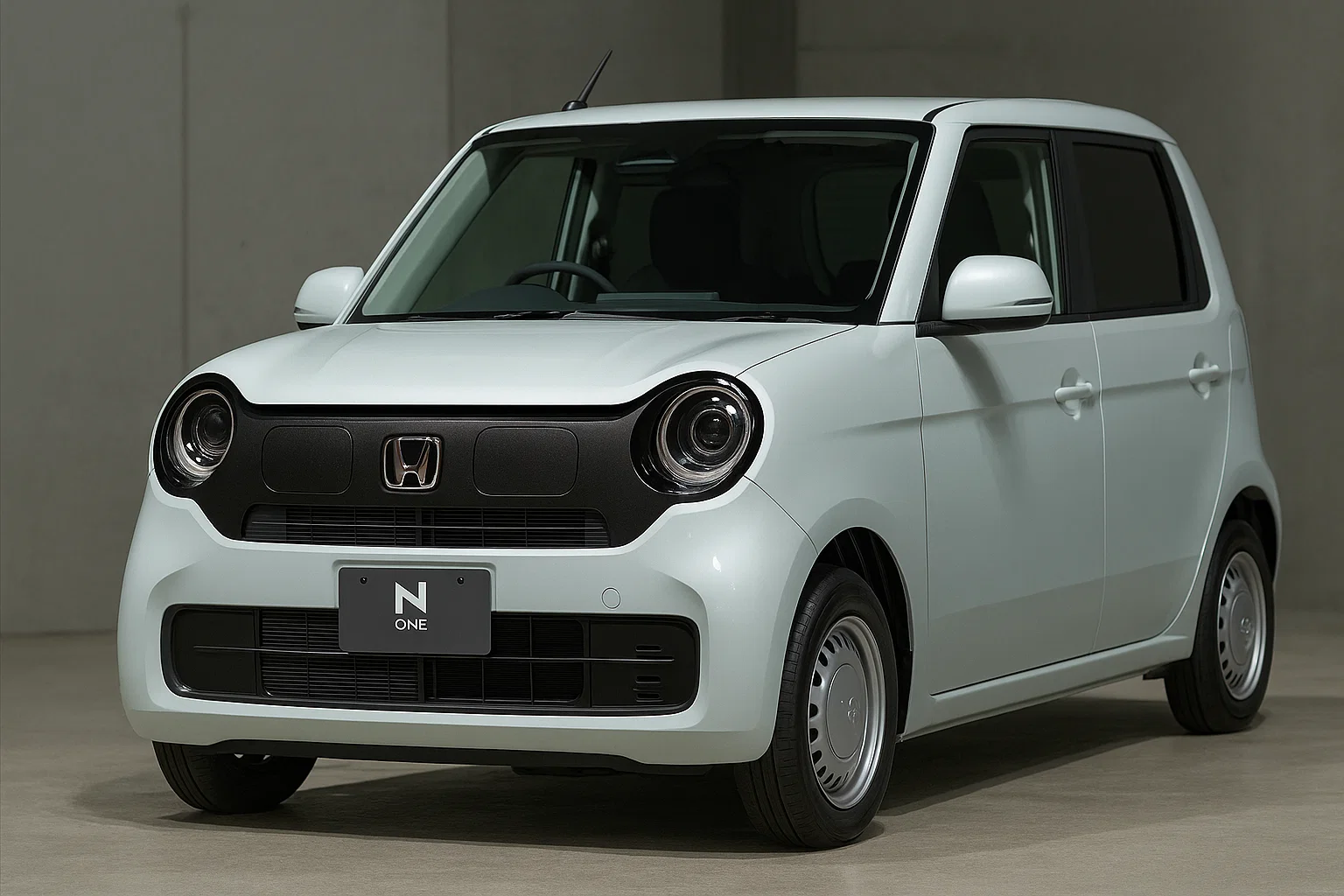
Table of Contents
The idea of bringing kei cars, Japan’s iconic, ultra-compact vehicles to the U.S. just got renewed attention. On December 3, 2025, Donald Trump unveiled a plan to allow small Asian-style cars to be built and sold in America.
This proposal could reshape urban mobility, offering smaller, more affordable vehicles for city driving and commuting. We examine what kei cars are, why they succeed in Japan, and what challenges and opportunities lie ahead if they reach American roads.
What Are Kei Cars?
Definition and Legal Specs
In Japan, “kei cars” (軽自動車, keijidōsha) define the smallest highway–legal vehicles under strict size and engine limits.
| Specification | Limit / Detail | Reason for Limit |
|---|---|---|
| Length | ≤ 3.40 meters (11.2 ft) | Compact size for narrow roads and parking. |
| Width | ≤ 1.48 meters (4.9 ft) | Fits tight urban spaces. |
| Height | ≤ 2.00 meters (6.6 ft) | Ensures manageable volume. |
| Engine displacement | ≤ 660 cc | Limits power and fuel consumption. |
| Power output | ≤ about 63 horsepower | Maintains safety and classification standards. |
Those tight constraints make kei cars noticeably smaller than typical compact or subcompact cars sold globally. For example, a 660 cc engine and compact frame deliver modest speed but excellent maneuverability.
Why They Exist
The kei car concept emerged in postwar Japan to promote mass automobile ownership under constrained economic conditions. Over decades, they became the go-to choice for city commuters, small families, and elderly drivers. The regulatory regime delivers tangible perks: lower taxes, cheaper insurance, and simplified parking requirements.
Kei cars are not limited to hatchbacks. The class also includes small vans, trucks (often called kei trucks), and even tiny SUVs or sports cars under the same size and engine constraints.

Why Kei Cars Became a Japanese Staple
Affordability and Running Costs
Kei cars deliver low-cost mobility. Their smaller engines consume less fuel. Insurance and taxes run lower. Many drivers in Japan value these savings, especially in dense urban areas or for short daily trips.
Lower maintenance needs and simpler engineering also help keep ownership costs manageable. The result: kei cars often outperform larger cars in cost per mile over their lifetime when used for commuting or city driving.
Urban Convenience and Parking
Japan’s major cities are known for narrow streets and limited parking. Kei cars shine here. Their small footprint allows easy navigation through tight alleys and easier parking even in congested urban neighborhoods.
Many kei car models maximize interior space cleverly. Despite tiny external dimensions, they often accommodate four passengers and offer surprising practical space for daily commuting or short trips.
Those advantages make kei cars extremely practical for Japanese city life even for families or older drivers seeking easy mobility.
What Trump’s Proposal Means for the US
Regulatory Shift and Opportunity
With the 2025 announcement, the U.S. may ease regulations that historically disallowed kei-style vehicles on American roads. The new rule appears to clear bureaucratic obstacles, allowing automakers to build compact, fuel-efficient cars similar to Japan’s kei cars for American markets.
If adopted, this could open a niche for small, affordable urban vehicles. City drivers, first-time car owners, or those seeking lower-cost mobility might welcome such cars. It could challenge existing car pricing, particularly among subcompact and small-car segments.
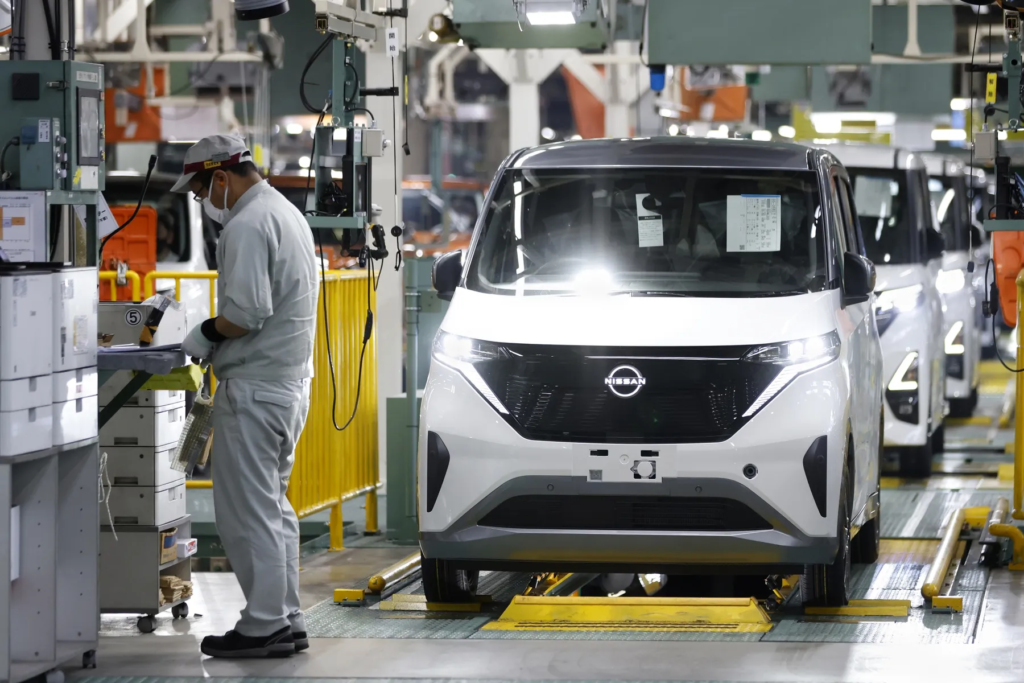
Photographer: Kiyoshi Ota/Bloomberg
Challenges: Safety, Market Fit, and Economics
Despite the potential, significant hurdles remain. Analysts point out that the business case for kei cars in the U.S. is weak. One concern: “pricing and costs don’t match.”
Kei cars are optimized for Japan’s dense, low-speed city traffic. On American highways and interstate roads, with higher speeds and longer distances, their small engines and lightweight build may struggle. Long trips, steep terrain, heavy loads, or crash-safety expectations may expose limitations.
Furthermore, American consumers often expect larger size, more power, and higher-speed performance than kei cars are designed to deliver. That gap could hinder mass adoption, even if regulatory barriers drop.
Could Kei Cars Succeed Outside Japan?
Looking worldwide, some markets embrace microcars, but success depends on context. The essential advantages of kei cars (compact size, low cost, fuel efficiency) shine in dense cities with tight parking and traffic. They align well with urban commuting, short-range travel, or low-income buyers.
However, in regions with long distances, highway travel, or consumer preference for larger vehicles, their appeal falls. For the U.S., adaptation would require automakers to rethink safety, performance, and infrastructure compatibility.
That suggests kei cars could carve out a niche: city-dwellers, commuters, budget-minded buyers, or EV-converted microcars suited for urban use. They are unlikely to replace standard sedans or SUVs, but could emerge as a new sub-segment. For more insights, check out Maruti Suzuki e Vitara Launch: Electric SUV Unveiled With Dual Batteries and New Colors.
What Manufacturers and Policymakers Must Address
- Safety Standards: U.S. roads demand robust crash safety. Kei cars will need reinforcement or redesign to meet those criteria.
- Engine & Performance: The original 660 cc engine may not suit American driving habits. Alternative powertrains (electric or hybrid) could help.
- Regulations & Certification: Federal and state vehicle regulations must adapt to recognise kei-style vehicles legally.
- Market Awareness: Consumers must understand keis, their benefits and trade-offs. That requires education and marketing.
If these areas are addressed, kei cars might find a stable, if modest, place in U.S. mobility.
Bottom Line
The renewed push by Trump to allow kei cars in the U.S. stirs fresh debate around small, efficient mobility. Kei cars offer proven benefits, compact size, low cost, fuel efficiency, that suit urban driving and short trips. But their limited engine power, small size, and differing design philosophy present serious challenges for widespread U.S. adoption.
For kei cars to succeed in America, manufacturers and regulators must adapt them to U.S. safety and usage standards. If they do, kei cars could offer a practical, affordable mobility alternative, especially for urban drivers and budget-conscious buyers. The door is open; but the path requires careful design and realistic expectations.