
Table of Contents
Key Takeaways
- The UK’s Transport Decarbonisation Plan sets out how the country aims to cut emissions from road, rail, aviation, and shipping to meet net-zero targets.
- There’s a big push towards electric HGVs and other cleaner vehicles, though challenges like charging infrastructure and range still need to be sorted out for long-haul.
- Rail and sea transport are also getting attention, with plans for hydrogen and battery trains, and strategies to cut emissions from shipping.
- Smart route planning, reducing packaging waste, and using eco-friendly materials are all part of making the supply chain more sustainable.
- Collaboration between businesses, government support, and investment in new green technologies is vital for making sustainable logistics a reality.
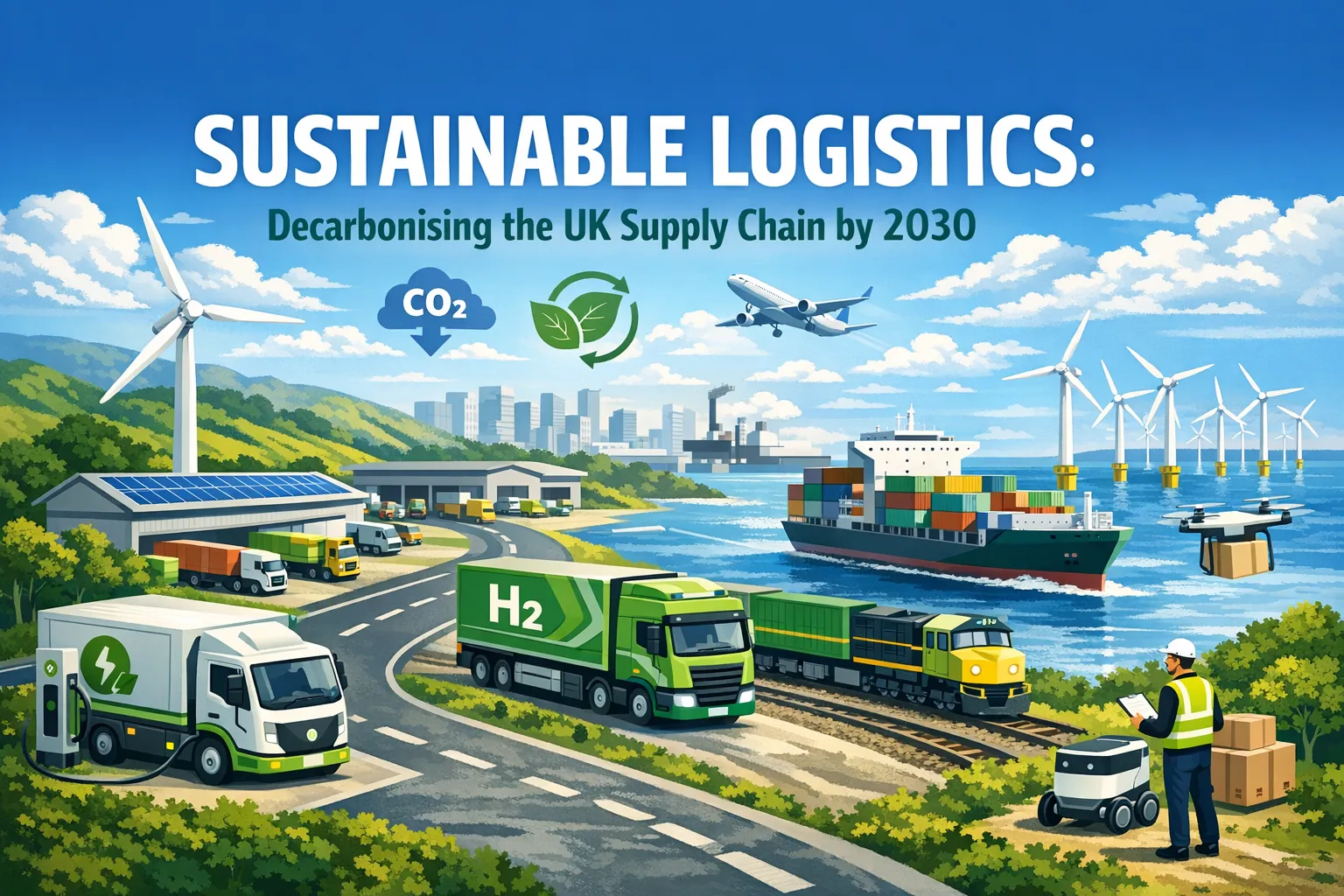
The UK’s supply chain is getting a green makeover. We’re talking about making sure lorries, trains, planes, and ships produce way less pollution. The government’s got this plan to get things to net zero by 2050, and a big chunk of that means cleaning up how we move goods around. It’s a massive job, but loads of companies are already looking at electric trucks, cleaner fuels, and smarter ways to plan deliveries.
This article looks at what’s happening in sustainable logistics and how we can all play a part in making the UK’s supply chain much kinder to the planet by 2030.
Embracing Sustainable Logistics: The UK’s Green Ambition
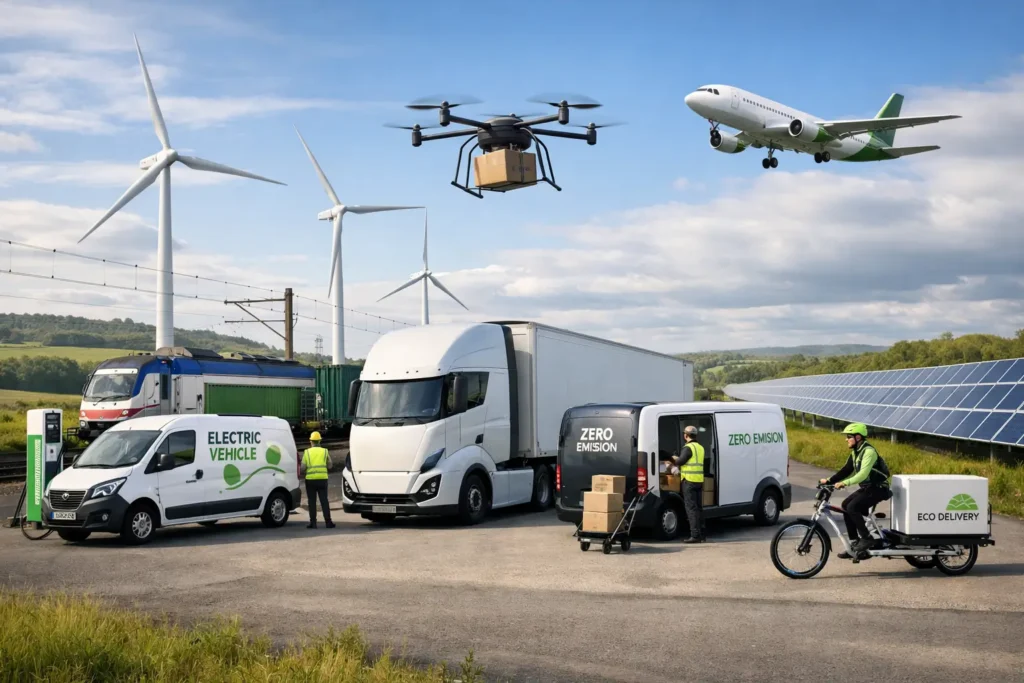
Right then, let’s talk about where the UK is heading with its green ambitions for logistics. It’s a big topic, and honestly, it feels like we’re finally getting serious about it. The whole country’s got this target of being net-zero by 2050, and a huge chunk of that comes down to how we move stuff around. Transport is, by a long shot, the biggest polluter in the UK, so if we want to hit those climate goals, we’ve got to sort out our supply chains.
The Drive Towards Net Zero
So, the big picture is net-zero by 2050. That’s the headline. But what does it actually mean for the folks moving goods? It means a massive shake-up. We’re talking about cutting emissions by a whopping 68% by 2030 compared to 1990 levels. That’s not a lot of time, is it? For years, the focus in transport was just speed and cost, which is understandable.
But the planet’s had enough, and the way we’ve been doing things just isn’t sustainable anymore. We’ve seen reports showing millions of lorry journeys every year, covering billions of kilometres. Most of those run on diesel, so you can imagine the carbon footprint. It’s a bit of a mess, really.
Understanding the Transport Decarbonisation Plan
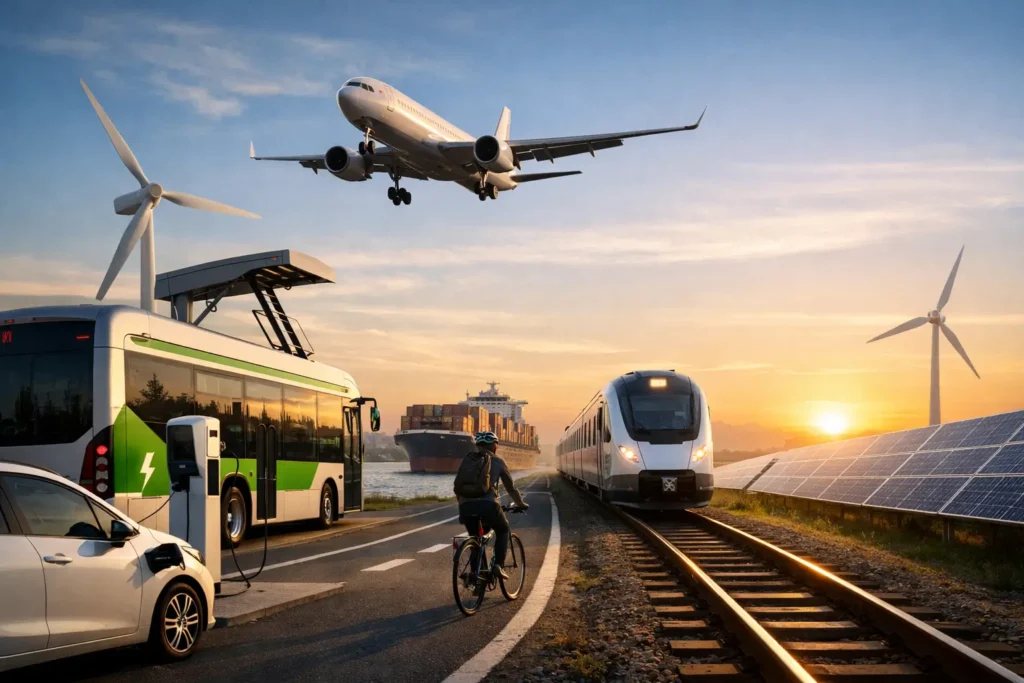
To try and get a handle on this, the government brought out the Transport Decarbonisation Plan back in 2021. Think of it as a roadmap to figure out how we cut emissions across the board – from cars and vans to trains, planes, and ships. It covers a lot of ground, looking at what needs to happen with electric vehicles, cleaner rail, sustainable aviation fuels, and greener shipping.
It’s a decent start, setting out some key commitments and ideas. However, progress has been a bit all over the place since it came out. There have been mixed signals from politicians, which doesn’t exactly help with long-term planning. Without solid, cross-party support, these big transport policies could easily get watered down or delayed. It’s a bit like trying to build a house when the ground keeps shifting.
The next few years are going to be really important. We need more investment and clearer policies to make sure we’re not just cleaning up existing transport but actually reducing the need for so much travel in the first place. Otherwise, we might just miss our targets.
Why Sustainable Logistics Matters Now
Honestly, the time for messing about is over. We’ve got to get this right. It’s not just about ticking boxes for environmental targets; it’s about the future of our planet and making sure our businesses can keep running smoothly in the long run. Companies are starting to realise this, and there’s growing interest in electric HGVs and smarter fleet management. The challenge, though, is that things like EV charger availability and the range of electric lorries aren’t quite there yet for long-distance haulage.
We’re also seeing efforts to decarbonise our railways and explore new fuels for planes and ships. It’s a massive undertaking, and it’s going to take a lot of work from everyone involved. We’re also seeing how important things like UK container shipping are in this whole picture, and how they’re adapting to new regulations and infrastructure needs.
Here’s a quick look at some of the areas we need to focus on:
- Vehicle Technology: Pushing for more electric and hydrogen-powered vehicles across the board.
- Infrastructure: Building out the charging and refuelling networks needed for these new vehicles.
- Operational Changes: Rethinking routes, reducing empty runs, and using more efficient modes of transport like rail.
- Collaboration: Getting businesses, government, and technology providers to work together.
It’s a complex puzzle, but one we absolutely have to solve.
Powering Up With Cleaner Vehicles
The Shift to Electric HGVs
The big question for UK logistics is how we get our lorries and vans running on something other than diesel. The move towards electric HGVs is gaining serious momentum, and it’s no longer a pipe dream. Companies are actually starting to trial and even order these vehicles. Think about it: millions of HGV journeys happen every year, covering billions of kilometres. Most of those are still burning fossil fuels, which is a massive chunk of our carbon footprint. Shifting to electric is a no-brainer for cutting down those emissions. It’s not without its headaches, mind you.
The availability of charging points and the range of current EVs can be a bit of a worry for those really long hauls, but things are improving fast. We’re seeing more investment and collaboration, which is exactly what we need to speed things up. The quicker we get these cleaner vehicles on the road, the sooner we’ll see the benefits for the supply chain and the planet.
The Future of Sustainable Fleet Management
So, what does managing a greener fleet actually look like? It’s more than just swapping out old diesel trucks for new electric ones. It involves smart planning, keeping an eye on new tech, and making sure your drivers are on board. We’re talking about optimising routes not just for speed but also for energy efficiency. It also means thinking about the vehicle’s entire lifecycle, from how it’s powered to what happens at the end of its life.
Some companies are even considering hydrogen fuel cell trucks as another option, especially for demanding journeys. It’s about building a flexible system that can adapt as technology evolves. The goal is to keep services running smoothly while drastically reducing environmental impact. It’s a big shift, but one that’s absolutely necessary for UK transport goals.
Overcoming EV Range Anxiety
Let’s be honest, the thought of an electric lorry running out of juice halfway to its destination is a real concern for many. This ‘range anxiety’ is a major hurdle. But it’s not insurmountable. Firstly, battery technology is improving all the time, giving vehicles more miles per charge. Secondly, the charging infrastructure is slowly but surely expanding.
We need more rapid charging points, especially along major routes. Some firms are looking at innovative solutions like battery swapping or even hydrogen fuel cells for super-long distances where pure electric might struggle. It’s a complex puzzle, but with focused investment and smart planning, we can ensure our fleets go the distance, emission-free.
The transition to electric vehicles in logistics isn’t just about swapping one fuel for another; it’s a fundamental rethink of how we operate. It requires investment in new vehicles, yes, but also in charging infrastructure, driver training, and sophisticated fleet management software. The benefits, however, extend beyond just carbon reduction, including quieter operation and potentially lower running costs over time.
Greening Our Freight and Rail Networks

Right then, let’s talk about getting our trains and freight moving without trashing the planet. It’s a biggie, especially when you think about how much stuff gets moved around the UK every single day. The government had a go at this before, saying we should ditch diesel-only trains by 2040. Sounds good, but here’s the catch: over half our rail network still runs on the old diesel engines. So, yeah, there’s a fair bit of work to do.
Decarbonising the Railways
It’s not just about swapping out old trains for new ones, though that’s a big part of it. We’re talking about a whole system change. The plan is to eliminate diesel-only trains, which is a solid step. But for those lines that aren’t electrified yet, we need other options. That’s where things get interesting.
Investing in Hydrogen and Battery Trains

This is where the future is looking a bit greener. The government’s putting money into hydrogen and battery-electric trains. Think of them as the eco-friendly cousins of the old diesel ones. They can run on lines that aren’t connected to the main power grid, which is a massive plus. It means we can cut down on emissions even in those trickier spots.
Here’s a quick look at what’s happening:
- Electrification: Pushing ahead with electrifying more of the rail network where it makes sense.
- Hydrogen Trains: Developing and testing trains that run on hydrogen fuel cells.
- Battery Trains: Using trains powered by large batteries, which can be recharged.
The goal is to have a rail network that’s running on clean energy, cutting down pollution and making our journeys quieter and cleaner. It’s a long game, but the investment is starting to show.
The Role of Rail in Sustainable Logistics
So, why is rail so important for all this? Well, trains are pretty good at moving large amounts of goods over long distances. If we can make them greener, they become a seriously attractive option for businesses wanting to cut their carbon footprint. It’s all about shifting freight from roads to rail where possible. This not only reduces emissions but also helps ease traffic congestion on our already busy roads. It’s a win-win, really, if we get it right.
Navigating the Skies and Seas Sustainably

Right then, let’s talk about getting our planes and ships sorted. These are the trickier bits of the supply chain when it comes to going green, mainly because batteries aren’t really an option for long-haul flights or massive cargo ships, are they? We’re talking about some serious emissions here, and frankly, it’s a bit of a headache.
The Challenge of Aviation Emissions
Planes and ships are big polluters, no doubt about it. For years, the focus has been on speed and getting things from A to B, and the environmental cost just sort of got ignored. Now, with the UK aiming for net-zero, we’ve got to face up to the fact that flying and sailing need a serious rethink. It’s not just about CO2; other bits and bobs affect the climate too, like non-CO2 emissions. We need better ways to track all of it.
Sustainable Aviation Fuels
This is where things get interesting and a bit complicated. Sustainable Aviation Fuels (SAF) are the big buzzword. The idea is to use fuels that don’t come from fossil fuels. Some of these are biofuels, made from things like used cooking oil or plant matter. But, and it’s a big ‘but’, we need to be careful. Using crops for fuel can take land away from food production and even lead to deforestation, which isn’t exactly green.
So, the focus is shifting towards fuels made from waste or even synthetic fuels, created using hydrogen and captured carbon. The UK and EU are pushing for this, with mandates in place to ensure a certain percentage of fuel is SAF. It’s a big step, and we’re seeing investment in developing these new fuels, which is good news for future aviation fuel.
Decarbonising Maritime Shipping
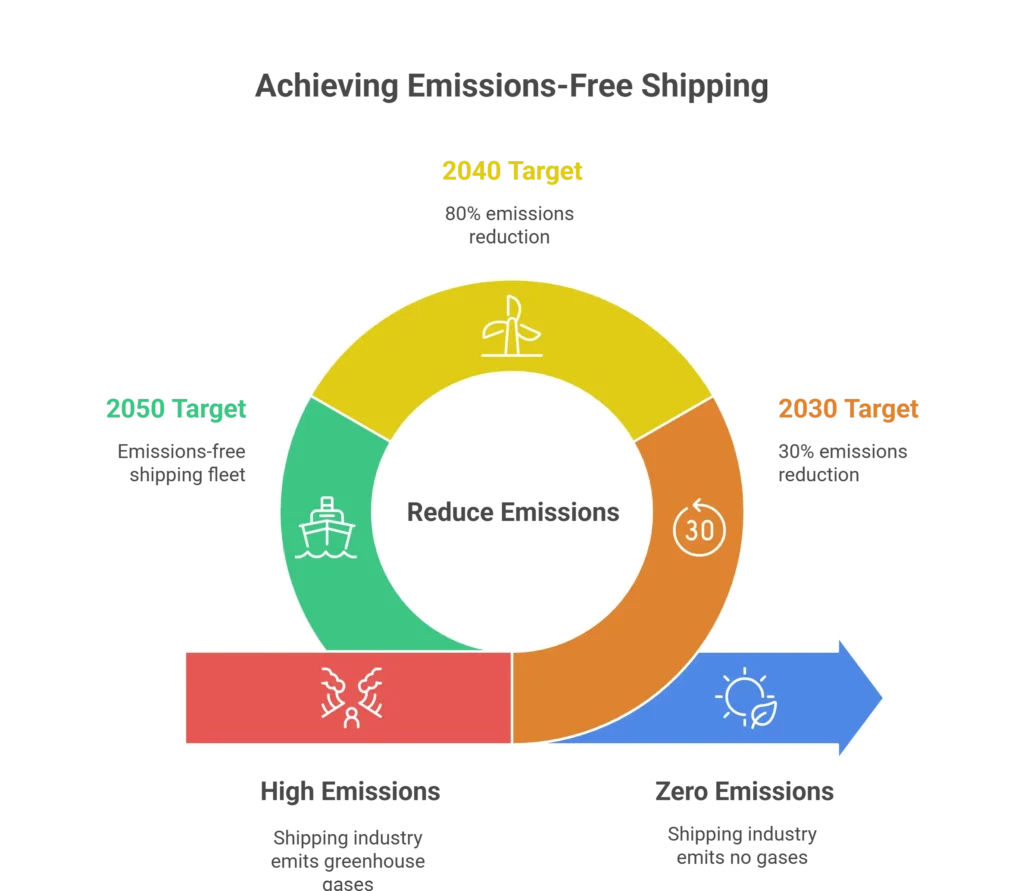
Shipping is in a similar boat, pun intended. The UK government has a plan to get the fleet to zero emissions by 2050, with some targets along the way. This means looking at new fuels like hydrogen or ammonia, and also thinking about how ships can be powered up in ports. It’s a massive undertaking, and like aviation, it’s not going to be a quick fix. We’re talking about big infrastructure changes and new technologies.
Decarbonising shipping and aviation is a tough nut to crack. It requires a mix of new fuels, better tracking of emissions, and a whole lot of investment. We can’t just rely on one solution; it’s going to be a combination of things, from using waste-based biofuels to developing synthetic fuels and exploring hydrogen. The goal is clear: cleaner skies and seas by 2050.
Here’s a quick look at the targets for shipping:
- By 2030: Aiming for a 30% reduction in greenhouse gas emissions.
- By 2040: Targeting an 80% reduction in greenhouse gas emissions.
- By 2050: The big one – an emissions-free shipping fleet.
It’s a long road, but these targets give us something to aim for. The key will be to get the right policies and investments in place to make it happen. See how solar-powered warehouses and energy-efficient HVAC systems in UK distribution centres reduce operational emissions.
Optimising Routes for a Greener Supply Chain
Right then, let’s talk about how we can make our lorries and vans zip around the country a bit more sensibly. It’s easy to think about electric trucks and fancy fuels, but sometimes the biggest wins are in the simplest things. And when it comes to deliveries, the route taken is a massive one.
Smart Route Planning
Remember the days when a driver just sort of… figured it out? Well, those days are rapidly fading. We’ve got some seriously clever tech now that can look at all sorts of things – traffic jams, roadworks, even the weather – and plot the most efficient path. This isn’t just about saving a few minutes; it’s about cutting down on miles driven, which directly means less fuel burned and fewer emissions chucked into the air. Think of it like a super-smart sat-nav that’s got the planet’s best interests at heart.
Here’s a peek at what goes into it:
- Real-time Traffic Data: Avoiding those unexpected gridlocks.
- Road Conditions: Knowing if a route is blocked or slow.
- Vehicle Type: Making sure the route is suitable for an HGV, not a tiny car.
- Delivery Windows: Fitting everything in without unnecessary detours.
Reducing Unnecessary Journeys
This is a biggie. You know those lorries that drive all the way back to the depot empty after dropping off their load? That’s a huge waste of fuel and a massive carbon culprit. We’re talking billions of kilometres driven empty each year in the UK. Madness, really.
The trick here is to get clever with return loads. If a lorry is dropping off in Manchester, can it pick something up on the way back down south? It sounds simple, but it takes a lot of coordination. Working with other companies or using logistics platforms can help match up these journeys, turning a wasted trip into a productive one.
The Impact of Efficient Logistics
So, what’s the payoff for all this route optimisation and clever planning? Well, it’s not just about feeling good (though that’s a bonus!).
- Lower Fuel Bills: Less distance means less fuel, plain and simple.
- Reduced Wear and Tear: Fewer miles means your vehicles last longer.
- Fewer Emissions: The main event – less CO2 and other nasties.
- Happier Drivers: Less time stuck in traffic or driving aimlessly.
- Cost Savings: All of the above add up to a healthier bottom line for businesses.
Sustainable Packaging Solutions Sustainable Logistics
Right then, let’s talk about packaging. It’s easy to overlook, isn’t it? We get our deliveries, rip open the box, and toss the bits and bobs in the bin without a second thought. But here’s the thing: packaging makes up a massive chunk of the waste we generate, especially plastic. We’re talking over two-thirds of plastic waste in the UK comes from packaging alone. So, if we’re serious about this whole decarbonisation thing, we’ve got to get smarter about what we wrap our goods in.
Reducing Packaging Waste
First off, the simplest approach is often the best: use less. This means rethinking what’s actually needed. Do those extra layers of bubble wrap really protect the item, or are they just adding to the pile of landfill? It’s about being a bit more mindful. We need to look at how we can reduce the use of unnecessary materials. This could involve designing products that need less protection or working with suppliers to streamline their packaging processes. The goal is to minimise waste right from the source.
Exploring Eco-Friendly Materials
When we do need packaging, we’ve got to choose wisely. Gone are the days when single-use plastic was the only option. There’s a whole world of eco-friendly materials out there now. Think recycled cardboard, biodegradable films, mushroom-based packaging, or even seaweed-based alternatives. These options are becoming more accessible and, in many cases, just as effective as traditional materials.
It’s about making a conscious switch to materials with a lower environmental impact, from production to disposal. We’re seeing some really innovative work, like initiatives aiming to significantly increase the UK’s capacity to reduce, reuse, and recycle plastic packaging waste through bold, ambitious innovation. Learn how reusable packaging logistics in UK retail supply chains support circular economy goals.
The Circular Economy in Packaging
This is where things get really interesting. Instead of the old ‘take-make-dispose’ model, we’re moving towards a circular economy. This means packaging is designed to be reused, repaired, or recycled back into new products. Imagine boxes that can be easily refolded and sent back, or materials that can be infinitely recycled without losing quality. It’s a big shift, but it’s key to truly sustainable logistics.
It requires a bit more planning and collaboration, but the long-term benefits for the planet and even for businesses, through reduced material costs, are huge. It’s about seeing packaging not as waste, but as a resource. Discover whether hydrogen vs biofuel for UK long-haul transport will power the future of low-emission logistics.
The Power of Collaboration and Investment
Right then, let’s talk about how we actually make all this green logistics stuff happen. It’s not going to sort itself out, is it? We need people working together and, let’s be honest, a good chunk of cash changing hands. Think of it like a massive group project at school, but with way higher stakes and hopefully fewer people leaving their bit until the last minute.
Industry Partnerships for Sustainability
Nobody can do this alone. Big companies, small businesses, everyone’s got a part to play. We’re talking about sharing what works, what doesn’t, and maybe even pooling resources. For instance, a few companies in the same area could team up to get a better deal on electric vans or charging infrastructure. It’s about building a network where we can all chip in and benefit. We’ve seen this work in other areas, like when UKRI aims to reduce its greenhouse gas emissions; they’re not doing it in a vacuum. It’s about creating a shared sense of purpose.
Government Support and Incentives
Now, the government’s got a big role here. They can’t just expect businesses to magically become green. We need clear plans and, importantly, some financial nudges. Think tax breaks for buying electric trucks or grants for developing new eco-friendly packaging. It’s about making the green choice the easy and affordable choice. Without government backing, many of these changes would be too expensive for many.
The key is to create a supportive environment where businesses feel encouraged, not penalised, for making sustainable choices. This means consistent policies and a clear roadmap for the future.
Investing in Green Technologies
This is where the real game-changer comes in. We need serious investment in new ideas. Whether it’s better battery tech for lorries, more efficient hydrogen fuel cells, or even advanced recycling methods for packaging, someone’s got to fund it. This isn’t just about research; it’s about getting these technologies out of the lab and onto our roads and into our warehouses.
The US has shown how incentives can really get things moving, and we need something similar here to make sure we’re not left behind.
Here’s a quick look at what kind of support can make a difference:
- Capital Expenditure Support: Things like grants and loans to help buy the expensive new kit.
- Operational Expenditure Support: Incentives to help with day-to-day running costs, such as cheaper electricity for EVs.
- Research & Development Funding: Keeping the innovation pipeline flowing for future solutions.
It’s a mix of everything, really. We need to make it attractive for people to invest in green logistics, not just for the planet, but for the long-term business sense. Understand carbon reporting requirements for UK logistics companies to stay compliant with evolving environmental regulations.
Carbon Offsetting: A Complementary Strategy
Right, so we’ve talked a lot about cutting emissions, which is absolutely the main goal. But let’s be real, sometimes, no matter how hard we try, a bit of carbon still gets chucked into the atmosphere. That’s where carbon offsetting comes in.
Think of it as a way to balance things out when you can’t quite get to zero emissions on your own. It’s not a magic wand, but it can be a really useful tool in the toolkit for getting to net zero by 2030.
Understanding Carbon Offsetting Schemes
Basically, offsetting means investing in projects that reduce or remove greenhouse gases from the atmosphere elsewhere to make up for emissions you can’t avoid. It’s like paying it forward for the planet. There are loads of different ways companies can do this. Some schemes focus on planting trees – which is pretty straightforward, right?
Others might invest in renewable energy projects in developing countries or support conservation efforts. The key is that these projects have to be additional, meaning they wouldn’t have happened without your investment.
Here are a few types of projects you might see:
- Reforestation and Afforestation: Planting new forests or restoring existing ones. Trees are brilliant at soaking up CO2.
- Renewable Energy Projects: Funding solar farms or wind turbines where they might not otherwise get built.
- Community Projects: Things like providing clean water or improving energy efficiency in homes, which often have a knock-on effect on emissions.
- Carbon Capture Technologies: These are a bit more high-tech, involving capturing CO2 directly from the air or industrial processes and storing it. It’s a newer area, but potentially a big one.
Integrating Offsetting into Your Strategy
Adding offsetting to your logistics plan doesn’t have to be a massive headache. Many companies now offer corporate offsetting schemes. You basically pay them a fee, and they handle the rest – finding and managing the projects for you. This can save you a lot of time and hassle.
You’ll want to work out your company’s carbon footprint first, figure out which emissions are unavoidable, and then decide how much you want to offset. It’s all about making a conscious choice to take responsibility for your environmental impact. Explore how electric HGV infrastructure in the UK is shaping the next phase of sustainable freight operations.
| Project Type | Example Focus Areas | Potential Benefits |
|---|---|---|
| Nature-Based Solutions | Tree planting, wetland restoration | Permanent removal, potential for large-scale |
| Renewable Energy | Carbon sequestration, biodiversity, and soil health | Clean energy access, reduced fossil fuel reliance |
| Engineered Carbon Removals | Direct Air Capture (DAC), Bioenergy with CCS (BECCS) | Permanent removal, potential for large scale |
| Community & Social Projects | Clean cookstoves, water purification | Improved health, reduced indoor air pollution |
The Road Ahead: Challenges and Opportunities
So, we’ve talked a lot about the exciting stuff – the electric HGVs, the greener rail, the sustainable fuels. But let’s be real, getting the UK’s supply chain to net zero by 2030 isn’t going to be a walk in the park. There are definitely some hurdles to jump over and a few things we need to get right.
The Importance of Infrastructure
This is a massive one. We can’t just magic up electric HGVs and expect them to run on thin air. We need charging points everywhere, and not just a couple dotted around. We’re talking about a proper network, especially for those long-haul journeys. The same goes for hydrogen refuelling. Plus, getting new infrastructure approved and built can take ages.
Projects like the Lower Thames Crossing show how complex and debated these big infrastructure plans can be. We need to speed up the planning and permitting processes; otherwise, we’ll be waiting forever.
- Grid capacity: Making sure the electricity grid can handle all those new EVs charging up.
- Charging points: Rolling out a widespread and reliable network, especially for commercial vehicles.
- Hydrogen infrastructure: Developing the refuelling stations needed for hydrogen-powered fleets.
- Rail upgrades: Continuing to modernise and electrify our rail networks for freight.
Disclaimer
This content is for general informational purposes only and does not constitute legal, tax, or customs advice.