
Table of Contents
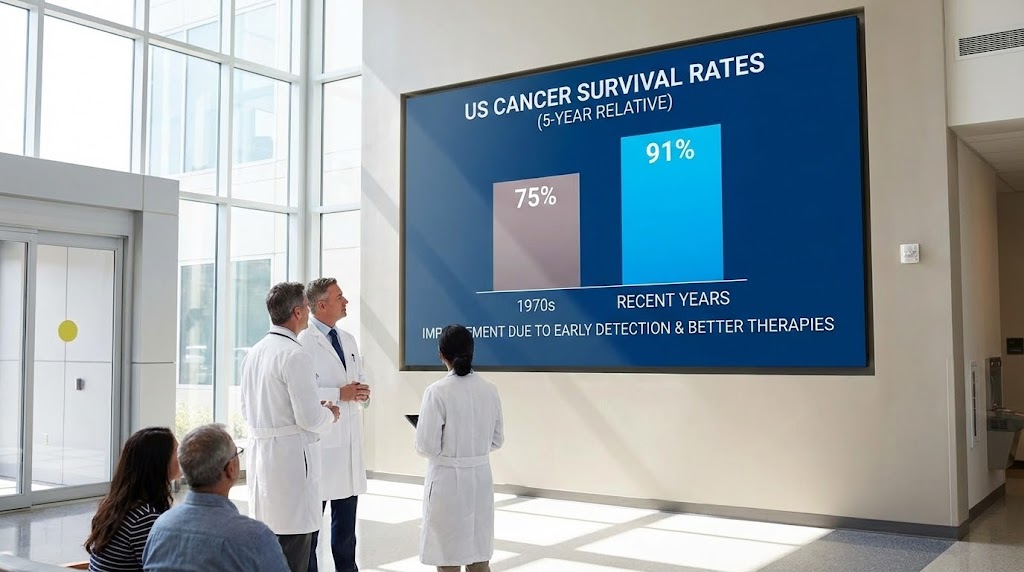
Los Angeles CA Center represents the broader landscape of cancer care and treatment facilities available in the Los Angeles metropolitan area as of December 15, 2025. Cancer remains a leading health challenge in the United States, with the 5-year relative survival rate at 91% for patients diagnosed in recent years, a dramatic improvement from 75% in the 1970s due to early detection and better therapies.
In Los Angeles, premier cancer centers, research hubs, and specialized treatment programs form a robust network serving diverse patient needs. From comprehensive, nationally recognized hospitals to specialized outpatient clinics, the city offers world-class care grounded in cutting-edge research and patient-centered treatment.
Los Angeles cancer care integrates diagnosis, treatment, survivorship support, preventive services, and multidisciplinary follow-up. Leading centers collaborate with academic institutions, clinical trial programs, and community health initiatives.
This article explores major cancer care facilities in LA, services offered, key treatment modalities, and practical data to help patients and caregivers make informed decisions. We present clear comparisons, statistics, and structured insights that reflect the current landscape in 2025, empowering you with actionable knowledge about your cancer care options in Los Angeles.
Understanding the Scope of Cancer Care in Los Angeles
Los Angeles is home to multiple high-quality cancer care providers offering diverse services in oncology. Leading centers combine advanced diagnostics, personalized treatment planning, and survivorship programs. Integrated treatment teams often include medical oncologists, radiation oncologists, surgeons, genetic counselors, and supportive care specialists.
These multidisciplinary teams aim to tailor care to each individual’s diagnosis, cancer stage, and overall health.
Many institutions in Los Angeles belong to national cancer research networks and have access to clinical trials that evaluate novel therapies and technologies. Ongoing clinical research enhances care quality and offers patients access to innovative treatments not widely available elsewhere. Moreover, collaborative clinical strategies emphasize early detection, accurate staging, and precision treatment plans.
Cancer centers here also prioritize holistic care, including psychological support, nutritional counseling, pain management, and rehabilitation services. This patient-centric approach contributes to improved overall treatment experiences and higher satisfaction rates among patients and caregivers.
Key Cancer Treatment Centers in Los Angeles
| Facility | Focus | Known Strength |
|---|---|---|
| UCLA Jonsson Comprehensive Cancer Center | Academic & research | Nationally ranked cancer research & care |
| USC Norris Comprehensive Cancer Center | Comprehensive treatment | NCI-designated and clinical trials access |
| Samuel Oschin Comprehensive Cancer Institute | Specialized care | Part of Cedars-Sinai cancer network |
| Beverly Hills Cancer Center | Private care | Personalized oncology services |
Major hospital-based centers integrate research and evidence-based treatment. For instance, the UCLA system, through entities like Downtown Los Angeles Cancer Care, provides specialized oncology services including medical oncology, hematology, and lymphoma care.
These centers participate in academic research and clinical trials, ensuring patients receive advanced treatment options. USC Norris is one of the original National Cancer Institute (NCI) designated comprehensive centers, offering 14+ specialized cancer disciplines.
The Samuel Oschin Comprehensive Cancer Institute operates within the larger Cedars-Sinai network, known for integrating cutting-edge therapies and clinical research.
Meanwhile, private institutions like Beverly Hills Cancer Center offer tailored treatment pathways, including high-precision radiation therapy and genetic testing for cancer care planning.

Outpatient and Community-Level Cancer Services
Outpatient clinics and community centers expand access to cancer care services across Los Angeles. Facilities like the Los Angeles Cancer Network operate multiple locations with strong patient satisfaction ratings. These centers focus on supportive care, coordination with hospital-based oncology teams, and follow-up treatments.
Other noteworthy outpatient services include Cecilia Gonzalez De La Hoya Cancer Center: Adventist Health White Memorial and Cancer Center of Southern California, which provide community-oriented cancer diagnostics, infusion therapy, and treatment planning. Many clinics coordinate genetic counseling, preventive screening, and symptom management.
Services like The Oncology Institute also maintain multiple Los Angeles locations that offer radiation oncology and medical oncology consultations. These outpatient services play a vital role in ongoing care, including routine follow-up, survivorship planning, and symptom management outside major hospital settings.
Types of Cancer Treatments Available Locally
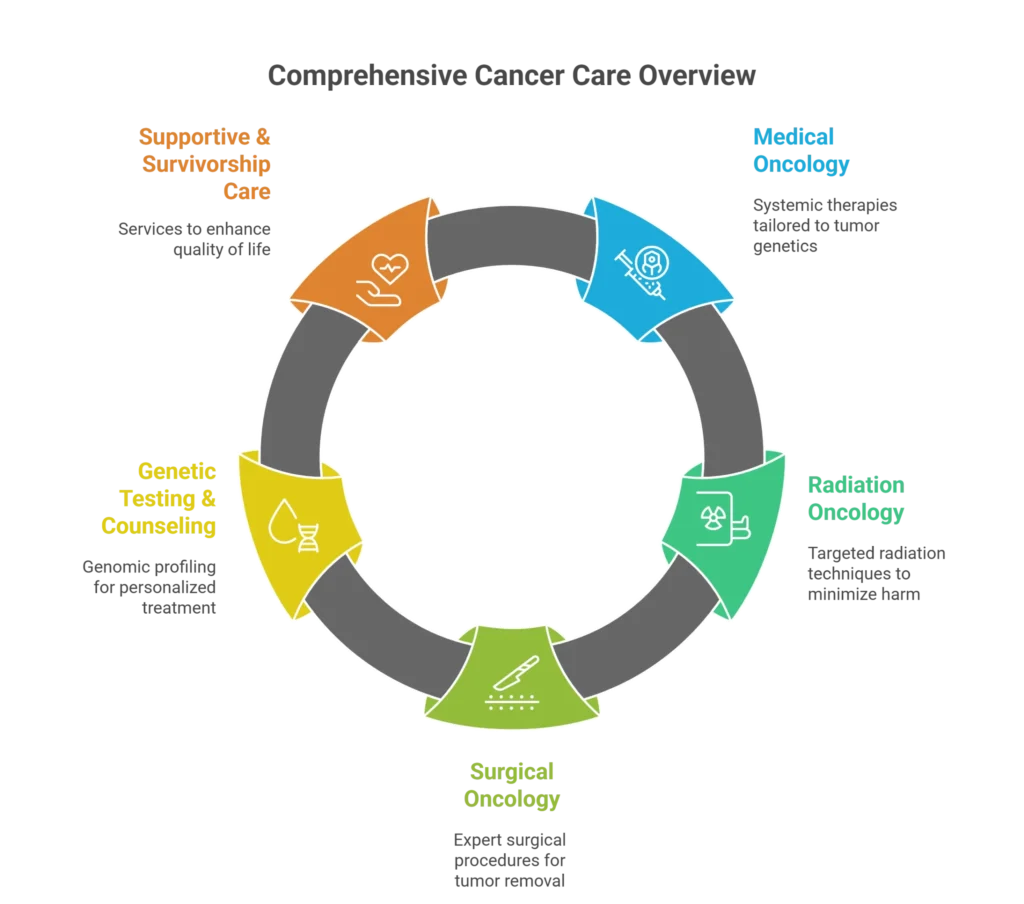
Los Angeles CA Center facilities offer a full spectrum of therapeutic approaches:
1. Medical Oncology:
Systemic therapies, including chemotherapy, targeted therapy, and immunotherapy, aim to treat cancer throughout the body. These are personalized based on tumor genetics and patient health goals.
2. Radiation Oncology:
Advanced radiation techniques such as intensity-modulated radiation therapy (IMRT) and image-guided radiation therapy (IGRT) deliver targeted doses while minimizing harm to healthy tissues.
3. Surgical Oncology:
Expert surgical teams perform tumor removal, reconstructive procedures, and minimally invasive surgeries. Precision techniques improve recovery and treatment outcomes.
4. Genetic Testing & Counseling:
Genomic profiling helps tailor treatment plans and assess hereditary cancer risks. This is increasingly integrated into standard care pathways.
5. Supportive & Survivorship Care:
Services include pain management, nutritional counseling, psychosocial support, and rehabilitation to enhance quality of life during and after treatment.
Collectively, these modalities reflect the modern oncology paradigm: evidence-based, multidisciplinary, and personalized to individual patient needs.
Screening, Prevention & Early Detection
Cancer control programs in LA emphasize early screening and preventive care. According to national data, regular cancer screening and lifestyle changes could prevent 42% of cancer cases in the U.S. population.
Common recommended screenings include:
- Mammograms for breast cancer (typically starting at age 40).
- Colonoscopy for colorectal cancer (beginning at age 45).
- Low-dose CT scans for lung cancer in high-risk adults.
Centers partner with community outreach initiatives to promote awareness, reduce barriers to screening, and support at-risk populations. These efforts are critical in reducing overall cancer burden and linking more patients to curative treatments earlier.
Choosing the Right Cancer Care Option
When selecting a cancer care provider in Los Angeles, consider these factors:
- Accreditation & designations: NCI designations indicate strong research integration.
- Treatment range: Comprehensive services improve continuity of care.
- Clinical trial access: Trials offer access to innovative therapies.
- Support services: Holistic support enhances patient experience.
- Location & access: Community-based centers improve convenience.
Research evidence shows that patients treated at comprehensive cancer centers often have better survival outcomes compared to non-specialized care.
Bottom Line
Los Angeles CA Center reflects a comprehensive network of world-class cancer care and treatment options, from nationally recognized hospitals to community-based clinics. Patients in 2025 benefit from advanced treatment modalities, multidisciplinary care teams, and broad access to clinical trials. Early detection, personalized therapies, and supportive survivorship planning significantly improve outcomes and quality of life. Actionable steps for patients include researching facility designations, confirming insurance and service access, and prioritizing early screening. Your choice of care team influences the treatment journey and long-term outcomes.
Disclaimer:
This article is for general educational purposes only and does not provide medical advice, diagnosis, or treatment.