
Table of Contents
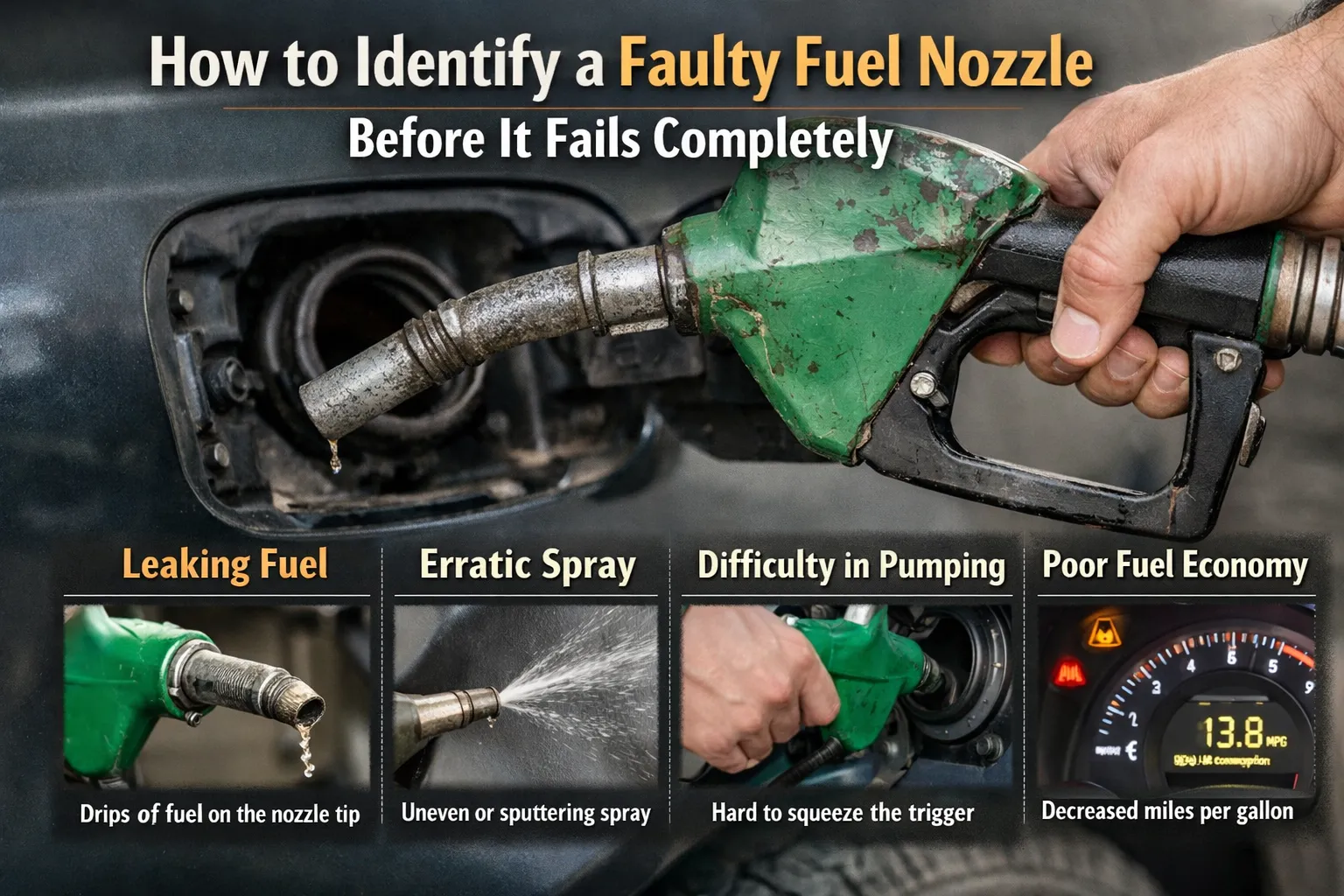
A Faulty Fuel Nozzle can quietly degrade your vehicle’s performance long before it fails outright. This critical part sprays fuel into your engine for combustion. When its spray pattern falters, combustion becomes inefficient, leading to rough running, higher fuel use, and premature component wear.
Modern engines demand precision atomization for clean burning and low emissions, and even tiny nozzle faults disrupt this balance. Identifying problems early helps you address issues with repair kits or replacements before performance drops or damage occurs.
Modern engines demand precision atomization for clean burning and low emissions, and even tiny nozzle faults disrupt this balance. Identifying problems early helps you address issues with nozzle repair kits or full replacements before performance drops or damage occurs, making https://klifex.com/nozzle-repair-kits/ a practical solution for timely fuel system maintenance.
Reliable inspection and timely action protect engine health, fuel efficiency, and emissions compliance in 2026 and beyond.
What Is a Fuel Nozzle and Why Does It Fail
A fuel nozzle atomizes gas or diesel into a fine mist. Engines require this mist for efficient combustion and stable power delivery. A nozzle becomes faulty due to wear, clogged passages, water contamination, or damaged seals. These faults block precise spray, reduce power, and raise emissions. Even tiny contamination particles of 2 microns can disrupt high-pressure diesel nozzles that operate up to 30,000 PSI.
The design tolerances are extremely tight. Any erosion or deposit buildup changes the spray shape, reducing combustion quality and increasing soot. A faulty spray pattern also stresses pistons and valves, shortening engine life. Early detection gives you a chance to fix or replace components before they cause broader engine issues.
Top Visual and Performance Signs of a Faulty Fuel Nozzle
Uneven Flow and Spray Pattern
A well-functioning nozzle produces a steady, cone-shaped mist. When faulty, it sprays uneven droplets or sputters. This can cause misfires, rough idling, and hesitant acceleration. Mechanics test flow on benches to spot irregular patterns.
Engine Performance Drops
A clog or gap in the nozzle limits fuel delivery. You’ll notice:
- Sluggish acceleration
- Reduced torque on hills
Smoke and Fuel Odor
Smoke color tells a story:
- Black smoke: too rich fuel mix
- White smoke: unburned fuel
- Blue smoke: oil or additive burning
A strong fuel smell signals vapor leaks near the nozzle or nozzle seals.
Common Causes Behind a Faulty Fuel Nozzle
Clogging from Contaminants
Fuel contaminated with dirt, rust, or water contributes to nozzle blockage. Diesel fuel filters must meet OEM standards to remove particles that cause clogging.
Water in the Fuel
Water raises the boiling point of fuel and corrodes small internal passages. This causes rough spray and can blow nozzle tips.
Wear and Erosion
High-pressure operation gradually erodes nozzle tips and seals. Worn nozzles fail to maintain proper atomization, leading to incomplete combustion and carbon buildup.
Nozzle Repair Kits: What They Include and When to Use Them
Nozzle repair kits for cars offer a cost-effective alternative to full replacements when faults are limited. A typical kit includes:
| Component | Purpose |
|---|---|
| Seals & O-rings | Prevent leaks at connection points |
| Washers | Support secure sealing under pressure |
| Fine filters | Capture microscopic debris |
| Cleaning tools | Clear carbon and varnish buildup |
These kits address small leaks and blockages before they escalate. However, severely worn or damaged nozzles still require full replacement. Maintenance using quality repair kits extends nozzle life and improves spraying precision.
When to Replace vs. Repair a Faulty Fuel Nozzle
- Repair: Light carbon buildup, minor seal leaks, early symptoms.
- Replace: Cracks, heavy erosion, uneven or failing spray, safety hazards.
Professional flow testing and diagnostics provide certainty before committing to a solution. A fuel system that sprays fuel precisely improves combustion, reduces emissions, and stabilizes performance.
Preventive Maintenance to Avoid a Faulty Fuel Nozzle
Consistent inspection and good habits lower failure risk:
- Replace fuel filters every 10,000–15,000 miles, depending on driving conditions.
- Use fuel with low contaminants and suitable ethanol content.
- Inspect nozzle spray patterns annually.
- Address check engine lights and misfires promptly.
Clean fuel and proactive checks slow wear and reduce repair costs.
Bottom Line
Identifying a Faulty Fuel Nozzle early safeguards engine performance, fuel economy, and emissions compliance. Look for uneven spray, performance dips, visible leaks, and unusual smoke as early warning signs. Nozzle repair kits offer an affordable first step, especially when faults are minor. Yet proper testing often determines whether a full replacement is wiser. In 2026, modern engines demand precision; staying ahead of nozzle issues saves money, maintains power, and protects engine health.
FAQs
What is the first sign of a faulty fuel nozzle?
Uneven fuel spray or sputtering during acceleration.
Can a faulty fuel nozzle cause a check engine light?
Yes, diagnostic trouble codes can indicate injector or nozzle issues.
Are fuel nozzle repair kits effective?
They work for minor leaks and carbon buildup, but not severe wear.
How often should fuel nozzles be inspected?
Annual inspection or every 12,000–15,000 miles is recommended.
Will a bad nozzle affect emissions?
Yes, it can increase harmful emissions and failed inspections.