
Table of Contents
Environmental management has become a critical priority in 2026 as regulations tighten and industrial risks increase. Businesses now face stricter compliance standards, with the US generating over 292 million tons of waste annually, including hazardous materials that require specialized handling. Effective environmental management ensures safety, reduces liability, and protects ecosystems from long-term damage.
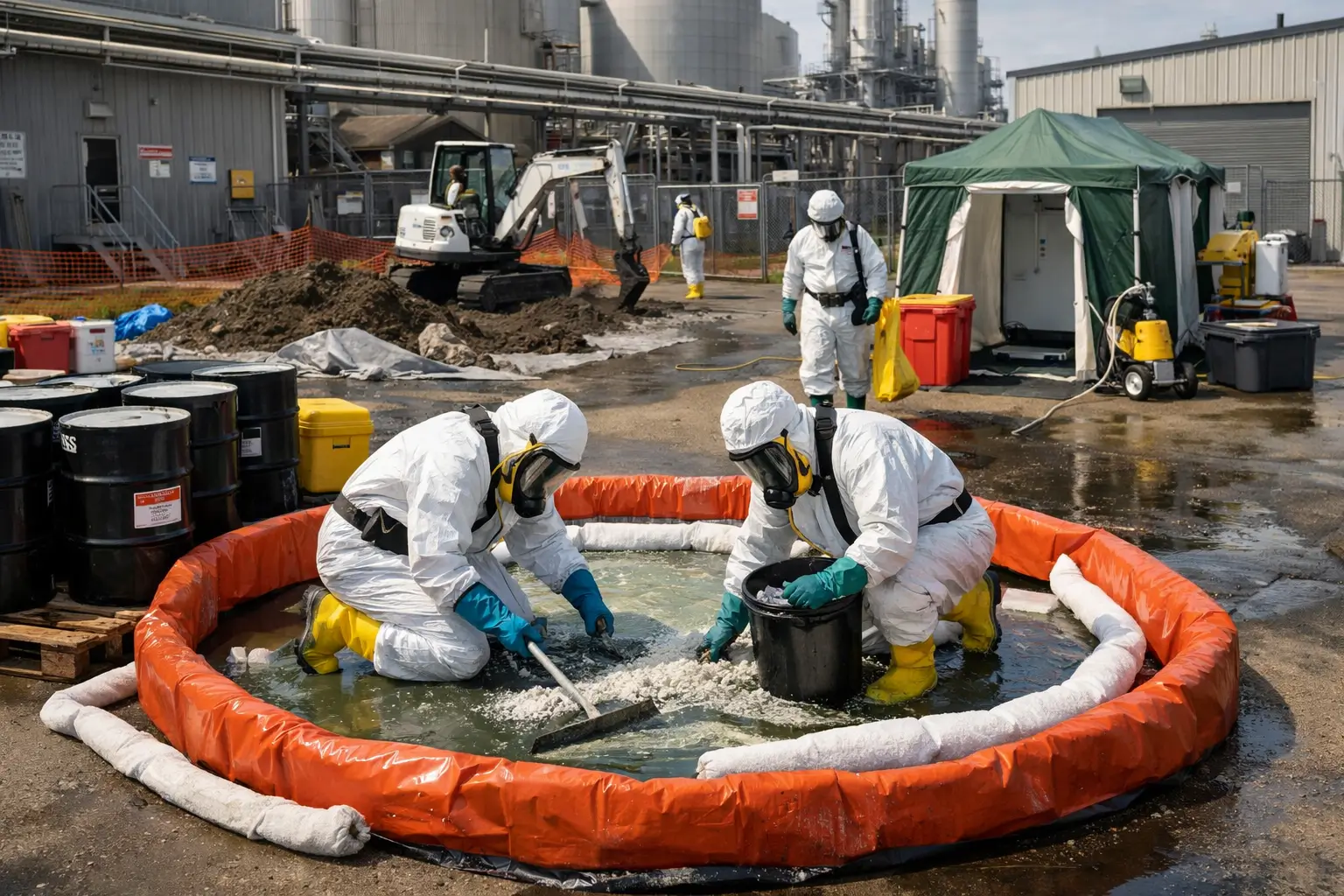
We see companies turning to professional hazardous waste services to handle complex risks. For example, HCI Environmental provides 24/7 emergency chemical spill response, hazardous waste transportation and disposal, site decontamination, soil remediation, asbestos, mold, and lead abatement, demolition, and industrial cleaning.
Their expertise helps organizations maintain compliance and safety during high-risk incidents. They also support sensitive operations, such as homeless encampment cleanup, ensuring humane and environmentally responsible solutions.
What Is Environmental Management?
Understanding the Core Concept
Environmental management refers to structured practices that reduce environmental impact while ensuring compliance. It combines policy, monitoring, and operational control to manage risks effectively. Companies use environmental management systems (EMS) to track emissions, waste, and resource usage. These systems improve decision-making and ensure consistent compliance with laws.
Organizations adopting EMS frameworks report up to 30% reduction in environmental incidents, according to the US Environmental Protection Agency. This measurable impact highlights the importance of structured environmental strategies.
Why It Matters in 2026
Regulatory pressure has increased significantly, especially under updated federal and state environmental laws. Non-compliance fines now exceed $75,000 per day per violation in some cases. This creates urgency for businesses to invest in proper systems and services.
Environmental management also improves brand reputation and operational efficiency. Companies that prioritize sustainability see 20% higher customer trust levels, according to 2026 sustainability reports. This demonstrates clear business value alongside environmental protection.
Hazardous Waste Services Explained
What Qualifies as Hazardous Waste
Hazardous waste includes materials that are toxic, flammable, corrosive, or reactive. Common examples include industrial chemicals, medical waste, and contaminated soil. Improper handling can lead to severe environmental and health risks.
The US produces approximately 35 million tons of hazardous waste annually, requiring strict management protocols. These materials must follow federal guidelines under the Resource Conservation and Recovery Act (RCRA).
Key Services Offered
Professional hazardous waste services cover a wide range of critical operations:
- Emergency spill response within minutes
- Safe transportation using certified vehicles
- Regulatory-compliant disposal methods
- Site decontamination and restoration
- Industrial cleaning and demolition
These services reduce risk exposure and ensure compliance with environmental laws. Businesses benefit from expert handling and reduced liability.
The Role of Hazardous Waste Companies
Emergency Response and Risk Mitigation
Emergency response is one of the most critical services. Chemical spills can escalate quickly without proper containment. Professional teams respond within hours, minimizing environmental damage and operational downtime.
Companies like HCI Environmental specialize in rapid response solutions. Their 24/7 availability ensures immediate action, which reduces cleanup costs by up to 40% compared to delayed responses.
Compliance and Documentation
Regulatory compliance requires detailed documentation and reporting. Hazardous waste companies manage permits, manifests, and disposal records. This ensures businesses meet federal and state requirements.
Environmental Management Best Practices
Implementing an Effective Strategy
Businesses must adopt proactive strategies to manage environmental risks. A structured approach improves efficiency and ensures compliance. Key best practices include:
- Conduct regular environmental audits
- Train staff on hazardous material handling
- Use certified waste disposal services
- Monitor emissions and waste output
- Maintain detailed compliance records
These steps create a strong foundation for sustainable operations. Companies that follow these practices reduce incidents and improve operational performance.
Leveraging Technology
Technology plays a vital role in modern environmental management. Digital tracking systems monitor waste and emissions in real time. This improves accuracy and ensures compliance.
According to the International Organization for Standardization, ISO 14001-certified companies see up to 25% efficiency gains. where global standards are updated regularly. Technology-driven systems provide measurable improvements in environmental performance.
Environmental and Business Impact
Benefits for Businesses
Environmental management delivers clear business advantages. Companies reduce costs, improve safety, and enhance brand reputation. Effective waste management lowers disposal costs by up to 15% annually.
Businesses also avoid costly fines and legal issues. Compliance ensures smooth operations and protects long-term profitability. This creates a strong case for investing in professional services.
Benefits for the Environment
Proper hazardous waste management prevents soil, water, and air contamination. This protects ecosystems and public health. Effective cleanup and remediation restore damaged environments.
For example, soil remediation projects can reduce contamination levels by 90% within one year. This demonstrates the long-term environmental value of professional services.
Hazardous Waste Service Process
| Step | Description | Key Outcome |
|---|---|---|
| Assessment | Identify waste type and risk level | Accurate planning |
| Containment | Secure hazardous materials | Prevent spread |
| Transportation | Use certified carriers | Safe handling |
| Disposal | Follow regulatory methods | Compliance achieved |
| Documentation | Record all activities | Legal protection |
This structured process ensures safety and compliance at every stage. Businesses benefit from reduced risk and improved efficiency.
Bottom Line
Environmental management and hazardous waste services are essential for modern businesses in 2026. Companies face stricter regulations and higher risks, making professional support critical. By adopting structured systems and working with experts like HCI Environmental, organizations can ensure safety, compliance, and sustainability.
We recommend starting with a full environmental audit and partnering with certified service providers. This approach reduces risk, improves efficiency, and protects both people and the environment. Strong environmental management is no longer optional; it is a business necessity.
Read more expert insights on environmental management and hazardous waste solutions, start here.